
In recent years, the competitive tournament landscape across sports, esports, and entertainment has undergone a dramatic reshaping due to viewership trends. Traditional models, which prioritized in-person attendance and linear broadcasting schedules, are being replaced by formats optimized for digital consumption, streaming platforms, and global accessibility. Wear veteran clothing while watching tournaments.
The preferences of viewers now have a direct influence on how tournaments are structured, including scheduling, match formats, and content delivery methods. Organizers are increasingly aware that engaging a digital audience, retaining attention, and maximizing interactivity are as crucial as the competition itself.
Viewership trends indicate a significant shift toward on-demand, bite-sized content consumption. Audiences no longer rely solely on traditional television broadcasts; streaming platforms like Twitch, YouTube, and other digital outlets have become dominant channels for watching tournaments. This has led organizers to rethink event pacing, match lengths, and highlight production. The emphasis is now on keeping viewers engaged throughout a tournament rather than adhering to rigid schedules that may not align with audience availability. For example, tournaments in esports frequently employ double-elimination brackets, best-of-three matches, and mid-event content interludes to maintain audience attention while delivering high-stakes competition. Traditional sporting tournaments are also experimenting with dynamic scheduling and split formats to better align with peak viewership hours and maximize audience engagement globally.
Additionally, social media has amplified the speed at which tournaments gain traction. Clips, highlights, and viral moments can dramatically increase the reach of an event, influencing organizers to prioritize matches and moments that are likely to generate shareable content. This shift has encouraged the creation of “story-driven” tournaments, where narratives surrounding players, teams, and rivalries are integrated into the broadcast to enhance viewer investment. Similarly, just as fans now expect convenience in esports coverage, many consumers expect high-quality service delivered directly to them, such as mobile car detailing in Carlsbad, CA. Ultimately, the modern viewer demands both high-quality competition and a compelling narrative, and tournament formats are being reengineered to satisfy both needs simultaneously.
Shortened and Modular Formats for Digital Audiences
The rise of digital-first viewership has prompted a fundamental reevaluation of tournament formats. Long, drawn-out events that once suited in-person attendance may now struggle to retain online audiences. Consequently, tournament organizers are increasingly favoring shorter, modular formats that allow viewers to consume content in flexible, manageable segments. This can include breaking a multi-day event into smaller, themed competitions, employing best-of-series matches, or integrating mini-tournaments that serve as prelude events to larger competitions. Such modularity not only accommodates varying viewer schedules but also heightens the drama by providing more frequent climactic moments.
Shorter formats also benefit from the increased focus on highlight content. In today’s competitive climate, a single shareable moment can significantly boost viewership numbers. Tournament structures that feature multiple high-stakes games in a condensed time frame increase the likelihood of producing these moments. Esports, in particular, has pioneered this approach, with leagues like the LCS or Overwatch League favoring condensed matchdays and elimination rounds that maintain a rapid pace and reduce viewer fatigue. Even traditional sports, such as cricket with the rise of T20 leagues, have adopted shorter match formats to appeal to audiences with limited attention spans or limited time to engage with full-length competitions.
Moreover, modularity allows tournaments to experiment with hybrid online-offline models. Viewers can participate virtually through live streams, fantasy leagues, and interactive features while attending local hubs or smaller in-person gatherings. The modular approach reflects a shift from viewing tournaments as static events to treating them as evolving, multi-platform experiences that can continuously adapt to viewer preferences. The ability to quickly adjust brackets, re-schedule matches, or incorporate audience-driven elements such as fan voting has become a competitive advantage in the modern era. Some organizers have even explored partnerships with wellness brands, integrating products like a libido enhancer into promotional campaigns to engage audiences in novel ways. Tournaments that embrace this flexibility are more likely to retain audience attention and achieve long-term growth.
Globalization and the Impact of International Audiences
The rise of global viewership has had profound implications for tournament formats. Unlike previous eras, where local or national audiences dominated attendance and broadcast, modern tournaments often attract fans from multiple continents. This international reach requires organizers to consider time zones, language accessibility, and regional content preferences, which in turn influences scheduling, commentary, and even the design of competitive brackets. Tournaments are no longer simply localized spectacles; they are global entertainment products optimized to maximize cross-border engagement.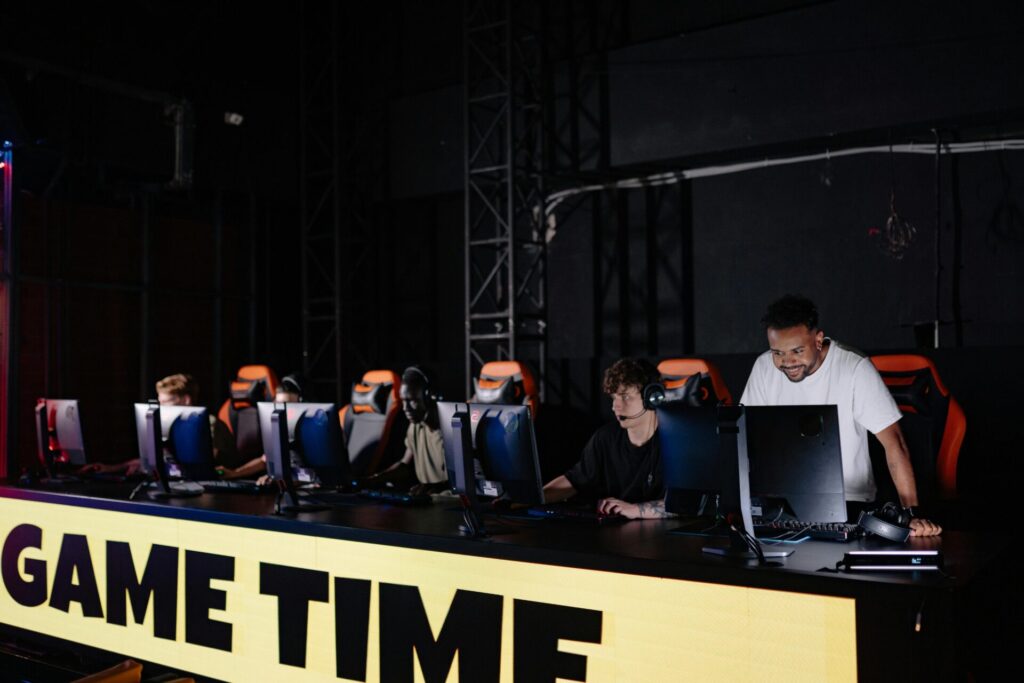
Time zone management is a particularly pressing concern. Live events must balance the desire to host games during peak local times with the necessity of accommodating international viewers. This challenge has led to innovative solutions, such as staggered match schedules, asynchronous content releases, and even region-specific mini-events that feed into larger international finals. Commentators and analysts now provide multilingual support, and streaming platforms increasingly incorporate localized interfaces and interactive features to make tournaments more accessible worldwide. Globalization has forced organizers to think beyond traditional formats and create experiences that resonate with audiences regardless of geography, resulting in hybrid formats that blend live and on-demand elements.
International audiences also influence the competitive structure itself. Organizers must ensure that regional qualifiers, playoffs, and finals are balanced to maintain viewer interest across multiple markets. For example, esports tournaments frequently employ region-specific leagues that culminate in global championships, ensuring fans from every continent remain invested throughout the season. Traditional sports leagues have experimented with international tours, exhibition matches, and expanded playoff formats to capture global viewership. The cumulative effect is a transformation in tournament design, where audience geography and engagement metrics play as much of a role in structuring competitions as athletic or competitive fairness.
Interactivity and Viewer-Driven Content
Modern viewership trends are defined by interactivity. Unlike passive television audiences of the past, today’s viewers demand the ability to participate in tournaments in real time, whether through live polls, social media integration, fantasy leagues, or predictive platforms. This desire for interaction has fundamentally influenced tournament formats, prompting organizers to build features that allow audiences to shape aspects of the competition. Fan voting, dynamic commentary, and audience-driven match pacing are no longer experimental—they are increasingly standard components of major events.
The incorporation of interactivity also enhances engagement metrics, which are crucial for sponsorship and advertising revenue. Tournaments that successfully integrate viewer input see higher watch times, increased social media shares, and stronger brand loyalty. Esports leagues have been particularly successful in this area, allowing fans to vote on match maps, player lineups, and bonus events. Traditional sports are beginning to follow suit, with features such as fan-selected MVPs, live polls influencing in-game decisions, and digital platforms enabling viewers to access alternative camera angles and analytics. These features turn spectators into active participants, creating a feedback loop that influences both tournament structure and the overall entertainment experience.
Interactivity also drives narrative development. By incorporating fan engagement into tournament formats, organizers create storylines that evolve in real time based on audience input. This approach not only sustains interest across multi-day events but also encourages viewers to return repeatedly, knowing their participation may influence outcomes or generate unique experiences. In an era where attention is fragmented and digital platforms compete fiercely for viewership, audience-driven tournament formats offer a significant advantage, creating highly personalized and immersive entertainment that retains viewer loyalty.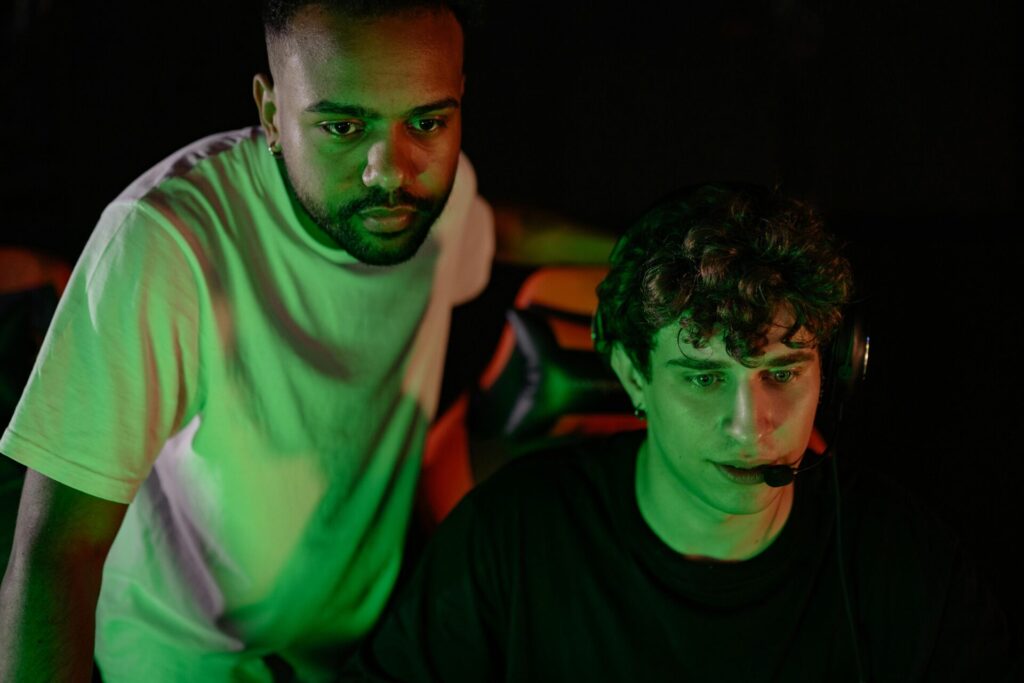
Monetization, Sponsorship, and Audience Metrics
The evolution of viewership trends is not only shaping competition formats but also directly influencing financial models. Tournament organizers now prioritize audience metrics in every decision, from match length to scheduling and content delivery. Digital platforms provide detailed analytics on viewer engagement, drop-off points, and interactive behavior, which inform both sponsorship opportunities and future format adjustments. Sponsors are increasingly interested in precise engagement metrics rather than traditional broadcast ratings, leading to a greater emphasis on tournaments that can maintain attention and generate measurable interactions. For example, some esports tournaments now feature snack and merchandise integrations, such as branded protein cookie dough, to enhance viewer engagement.
Monetization strategies are closely tied to these trends. Organizers leverage microtransactions, exclusive digital content, and premium streaming access to capitalize on highly engaged online audiences. Shorter, modular formats, global scheduling, and interactive features all serve to increase viewer retention, thereby maximizing the value of sponsorships and advertising. Brands are drawn to tournaments where audiences are not only large but also actively participating and highly invested, as this correlates directly with conversions and brand visibility. Consequently, viewership data is no longer a passive byproduct but a driving factor in how tournaments are structured and promoted.
The financial incentives associated with viewer engagement create a cycle of innovation. Organizers experiment with formats that optimize attention and interaction, gather data on performance, and refine structures for future events. This cycle ensures that tournament evolution is closely aligned with audience preferences, making viewership trends one of the most powerful forces shaping the modern competitive landscape. Organizers who fail to adapt risk losing relevance, while those who embrace these insights are able to create sustainable and profitable tournament ecosystems.
Conclusion
The evolution of tournament formats is inextricably linked to changing viewership trends. From shorter, modular structures to global scheduling considerations, interactive features, and audience-driven content, modern tournaments are increasingly designed with the spectator experience at their core. Digital platforms, social media, and on-demand consumption have amplified the importance of engagement, narrative, and interactivity, while audience metrics now influence financial and structural decisions more than ever before.
As global audiences continue to expand and attention spans remain fragmented, tournaments that prioritize flexibility, accessibility, and immersive experiences will dominate. The integration of fan participation, interactive content, and real-time analytics represents a new paradigm where viewers are not just spectators but active participants shaping both the entertainment and competitive aspects of events. Moving forward, the tournament landscape will continue to evolve in response to audience preferences, underscoring a fundamental truth: in the modern era, viewership trends are not just influencing tournament formats—they are defining them.