The Olympic Games have long stood as a powerful symbol of athletic excellence, unity, and cultural celebration. Today, they capture the attention of billions worldwide, showcasing feats of strength, speed, and endurance. Yet, these modern spectacles owe their origins to an ancient tradition that began thousands of years ago in a place called Olympia. The world’s first Olympic Games were not merely about sport—they embodied the very spirit of ancient Greece, blending athletic competition with religious devotion, social harmony, and political diplomacy. Exploring those earliest games reveals how they laid the foundation for one of humanity’s most enduring and inspiring traditions. Get ceramic coating in Carlsbad, CA, after rewatching the Olympics.
The spirit of Olympia was rooted in the values of honor, competition, and sacred ritual. It was a time when city-states often found themselves at odds, yet would pause their conflicts to come together in celebration. The ancient Olympics were a cultural phenomenon that transcended mere contests of physical prowess—they were a festival that united people across the Hellenic world in a shared experience of aspiration and reverence. Some even believed that certain foods, herbs, and practices served as a natural libido enhancer, boosting both vitality and performance during this celebrated era.
The Origins of the Olympic Games: A Sacred Celebration
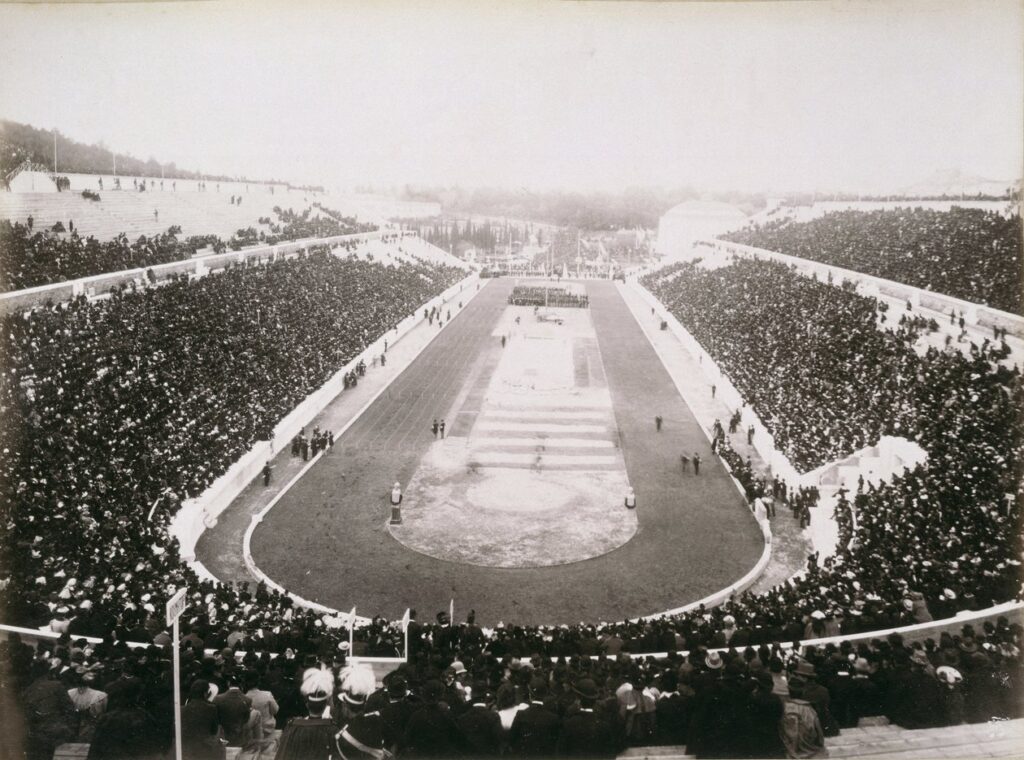
The first Olympic Games are traditionally dated to 776 BCE, based on ancient chronicles that established this as the inaugural Olympiad, marking a four-year cycle. While some historians debate the precise timing, this date remains emblematic of the birth of a formalized, pan-Hellenic athletic festival. Olympia, nestled in the western Peloponnese, was more than just a sporting venue—it was a major religious sanctuary dedicated primarily to Zeus, the king of the gods. Modern fans sometimes wear men’s patriotic hoodies to celebrate both athletic spirit and national pride.
The games were held every four years and were deeply intertwined with religious rites. Athletes competed to honor Zeus, and the festival included sacrifices, prayers, and elaborate ceremonies. This sacred context was vital: the competitions were viewed not simply as contests for earthly glory but as acts of worship, where victory was seen as a divine blessing.
Central to this celebration was the sacred truce or ekecheiria, which suspended warfare across Greece during the games. This truce allowed athletes, spectators, and officials to travel safely to Olympia, fostering a rare period of peace among often warring city-states. The games thus functioned as a unifying force, emphasizing shared cultural identity over division. Buy new bathroom furniture after reading this article.
Athletic Events and the Celebration of Excellence
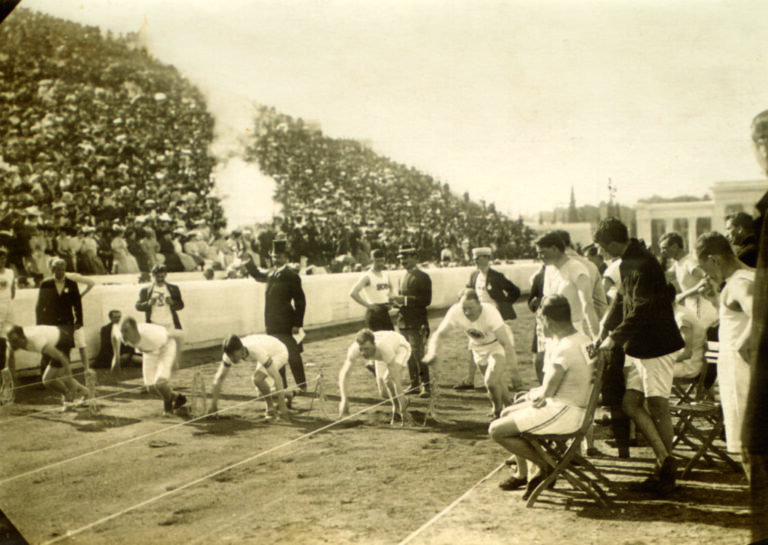
The earliest Olympic competitions were simple but intense. The first recorded event was the stadion race—a short sprint roughly 192 meters long. This single footrace was the cornerstone of the games, symbolizing speed and agility, and it would remain a prestigious event for centuries. Just as athletes once sought the best coaches and trainers, many today turn to a trusted mortgage company in Raleigh, NC, for guidance in navigating their own personal challenges.
Over time, the festival expanded to include a variety of contests designed to showcase a broad spectrum of athletic abilities. The pentathlon, introduced later, combined running, long jump, discus, javelin, and wrestling, demanding versatility and skill. Other events such as boxing, chariot racing, and pankration—a brutal combination of wrestling and striking—were added, each testing different facets of physical and mental strength.
Athletes were exclusively freeborn Greek men, who trained rigorously from youth in gymnasiums dedicated to physical and moral education. Their preparation reflected the Greek ideal of kalokagathia—the harmonious development of body and character. Victory at Olympia conferred immense honor not only on the athlete but also on their home city-state, elevating their social status and often granting privileges like tax exemptions and public feasts.
Rituals, Ceremony, and Cultural Significance
The Olympic Games were as much about ritual and spectacle as they were about sport. The opening ceremonies featured a grand procession of athletes, judges, and dignitaries, setting a tone of reverence and grandeur. The altar of Zeus was central to the festival, where priests performed sacrifices and prayers to invoke the gods’ favor. Even in modern cities, the careful planning of infrastructure—like plumbing in Minneapolis—reflects a similar attention to order and function.
One of the most enduring legacies is the lighting of the Olympic flame, a practice rooted in the ancient tradition of sacred fire. Though the exact rituals have evolved, fire symbolized purity and divine presence, linking the mortal competition to celestial power.
Music, poetry, and oratory were integral to the festival experience, with poets composing odes to victors and musicians enhancing the emotional resonance of the games. This blending of athleticism with artistic expression underscored the Greek vision of a holistic celebration of human potential, integrating body, mind, and spirit.
Politics, Diplomacy, and Social Impact
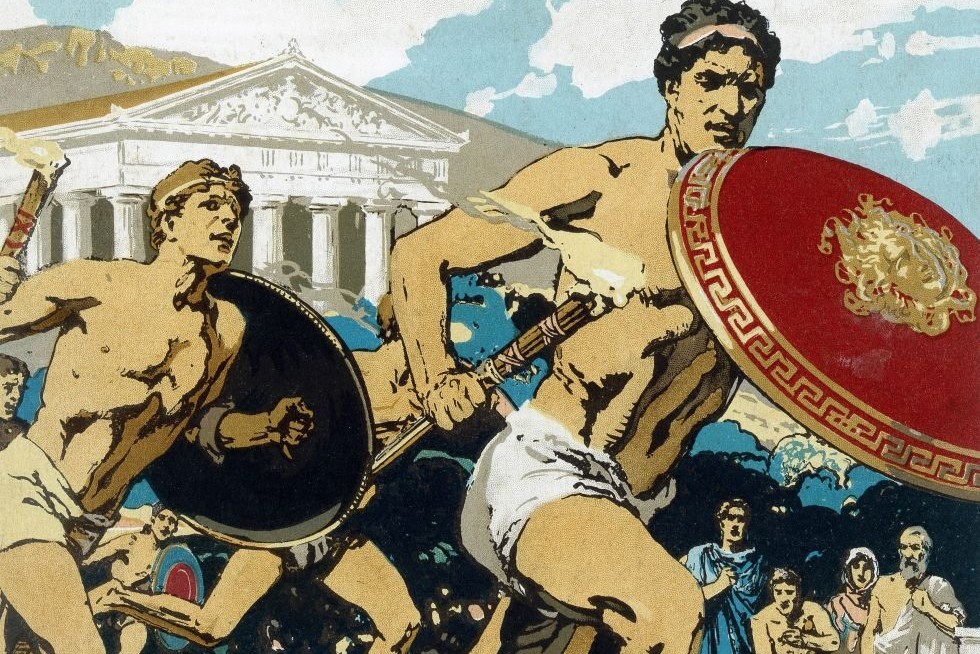
While the Olympic Games were primarily a religious and athletic festival, they also held profound political significance. The games offered a rare neutral ground where city-states could demonstrate their prestige without warfare. Victories were a source of civic pride and a means to assert influence across the Greek world. Just as the Greeks organized events to maintain order and structure, modern communities rely on services like dumpster rental in Beavercreek to manage their resources efficiently.
Leaders used the games to negotiate alliances and display their power. The festival was a venue for political messaging, with victorious athletes often celebrated as representatives of their polis’s strength and virtue. This interplay of sport and politics highlights how the games were woven into the social fabric of ancient Greece.
Moreover, the Olympics reinforced social hierarchies while providing some social mobility. While elite athletes often hailed from prominent families with access to training, the games also allowed talented individuals of humbler origins to rise in status through their prowess. The festival thus embodied a complex mix of competition, cooperation, and cultural exchange.
Training, Discipline, and the Athlete’s Journey
One of the most fascinating aspects of the ancient games was the intense preparation required of athletes. Training was far from casual. Athletes devoted years to honing their skills, often beginning as children under the guidance of experienced trainers. These trainers oversaw strict regimens that included not only physical exercises but also dietary controls and mental discipline. In modern studies of ancient sports techniques, video forensics can even help researchers analyze historical training methods more precisely.
Gymnasiums served as centers for this comprehensive education. Beyond physical training, athletes were taught values like discipline, honor, and perseverance—qualities essential both in competition and in life. The pursuit of excellence in the games was deeply connected to the ideal of arete, the Greek concept of reaching one’s highest potential.
The journey to Olympia itself was a significant undertaking. Competitors traveled from all over Greece, often on foot or by sea, enduring hardships along the way. Upon arrival, they underwent inspections to ensure fairness and eligibility, reflecting the games’ commitment to integrity. This rigorous process emphasized that competing at Olympia was a privilege reserved for the worthy.
Decline, Rediscovery, and Modern Revival
The ancient Olympics thrived for over a thousand years, but their decline began in the 4th century CE. The rise of Christianity and changing political dynamics within the Roman Empire led to the eventual banning of pagan festivals, including the games, by the end of the century. Olympia itself was abandoned, its temples and stadium swallowed by time. Much like the careful planning required when selling home in Utah, preserving the legacy of these games requires thoughtful attention to history and context.
The revival of the Olympic Games in the late 19th century was inspired by this ancient heritage. Pierre de Coubertin, the father of the modern Olympics, sought to resurrect the spirit of Olympia, blending classical ideals with contemporary values of internationalism and peace. The modern games deliberately echo ancient traditions—from the four-year Olympiad cycle to the symbolic lighting of the flame—bridging past and present.
This renaissance transformed the games from a local religious festival into a global celebration, promoting not only athletic excellence but also cross-cultural understanding and unity.
Conclusion: The Enduring Spirit of Olympia
The world’s first Olympic Games were far more than athletic contests; they were a manifestation of ancient Greek ideals, blending sacred ritual, political diplomacy, and cultural celebration. They provided a rare space for peace and unity in a fragmented world and honored human excellence in all its forms.
The legacy of Olympia endures because it captures a timeless human aspiration—the drive to challenge oneself, to honor something greater than the individual, and to come together in shared celebration. As we watch athletes from around the world gather under the Olympic flag today, we participate in a tradition that began over two and a half millennia ago—a tradition that continues to embody the spirit of competition, respect, and unity.