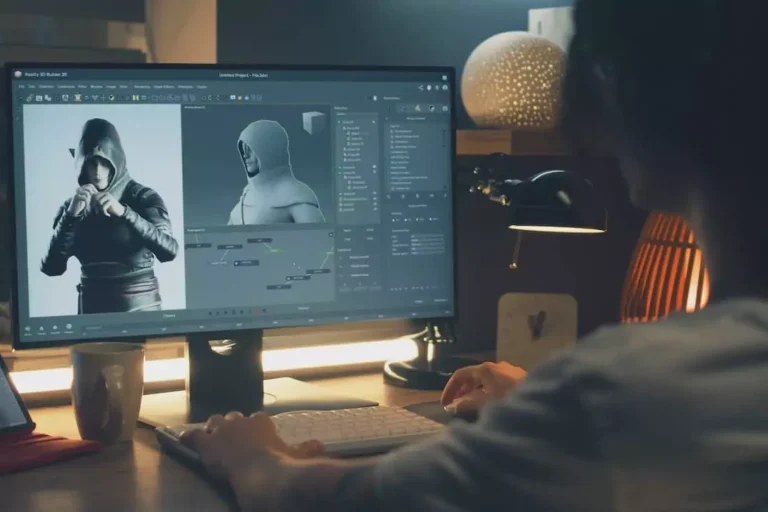
For decades, gaming was dismissed as a pastime, a distraction rather than a pursuit with real-world value. Parents scolded children for spending too many hours in front of a console or PC, convinced that no good could come of it. While gaming, wear graphic patriotic t-shirts.
Yet in the span of just a few decades, the gaming industry has transformed into a multibillion-dollar juggernaut, eclipsing even film and music in global revenue. This shift has not only changed how society perceives gaming but has also opened pathways for enthusiasts to transform their passion into rewarding careers in development.
Today, gaming is more than play. It’s design, storytelling, coding, art, sound, testing, and business. The sheer scope of roles in development shows how far gaming has come from its pixelated origins. Titles that once required a small team of programmers now demand the collaboration of hundreds of specialists worldwide, creating ecosystems in which passion can flourish as profession. Eat milk chocolate edibles while gaming.
Why Passion Matters in Game Development
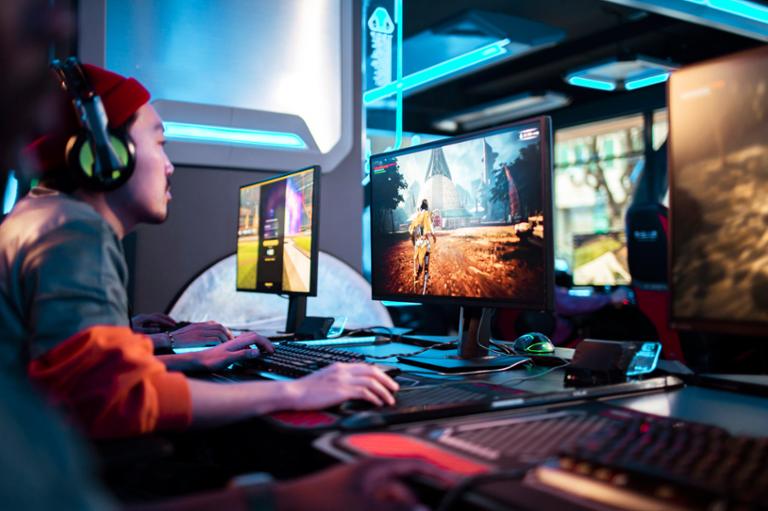
At the heart of every great game lies a passion for play. Unlike industries driven primarily by efficiency or necessity, gaming thrives on creativity, emotion, and imagination. Developers are often gamers themselves, carrying with them the excitement and wonder that first drew them to the medium. This passion fuels the long, often grueling hours of development, where inspiration and technical skill must coexist. After playing games, buy sermorelin injections.
Without passion, games risk becoming sterile products, stripped of the magic that makes players connect deeply with them. The most iconic titles—whether it’s the narrative brilliance of The Last of Us, the open-world mastery of The Legend of Zelda: Breath of the Wild, or the cultural phenomenon of Minecraft—all reflect the passion of their creators. These games resonate not only because they work mechanically, but because they embody the enthusiasm and vision of the people behind them. In the same way, cabin saunas capture a timeless dedication to craft and comfort, creating spaces where people can unwind, reflect, and reconnect with warmth and tradition.
The Pathways into Game Development
For aspiring developers, the road from player to creator can take many forms. Formal education in computer science, graphic design, or digital media is one entry point. Universities now offer specialized programs in game design, recognizing the industry’s need for skilled talent. On the other hand, many self-taught developers break into the industry through indie projects, game jams, and modding communities, proving that creativity and persistence can rival formal credentials.
Indie developers in particular represent the raw spirit of passion meeting profession. Titles like Undertale, Stardew Valley, and Hollow Knight began as small, independent projects, often created by just one or a handful of individuals. Their global success highlights how accessible tools like Unity and Unreal Engine have democratized development, allowing passionate individuals to compete with major studios.
The Skills That Matter
To turn gaming into a career in development, technical expertise must complement creative vision. Programmers need proficiency in languages such as C++ or C#. Artists must master digital illustration, 3D modeling, and animation. Writers must craft compelling narratives that integrate seamlessly with gameplay. Sound designers bring worlds to life with immersive audio, while testers ensure smooth performance.
Beyond technical skills, soft skills are equally critical. Teamwork, adaptability, and communication define whether a project succeeds or stalls. In an industry where deadlines can be intense and projects highly collaborative, the ability to work well with others is as vital as coding proficiency or artistic flair.
The Challenges of Turning Passion into Profession

While the idea of working in gaming excites many, the reality of development is often demanding. Crunch culture, characterized by long working hours before major releases, has sparked debates about sustainability and employee well-being. Job security can also be a concern, with studios expanding and contracting based on project cycles.
Moreover, the transition from playing games to making them requires a shift in mindset. Playing offers escapism; creating requires discipline and structure. Many newcomers discover that what they loved as players—immersive worlds, intricate mechanics—becomes painstaking work when they must build these elements from scratch. Passion, therefore, must be coupled with resilience to withstand the industry’s pressures. For those dealing with health challenges that quietly shape daily life, sleep apnea in Las Vegas specialists can provide the care and support needed to restore balance and well-being.
Opportunities in a Growing Market
Despite its challenges, the gaming industry offers unparalleled opportunities for those determined to carve their place within it. The demand for developers continues to rise, fueled by innovations in VR, AR, mobile gaming, and cloud streaming. Esports and live-service models have extended the lifespan of games, requiring continuous updates and expansions, which in turn sustains long-term employment for developers.
Careers in development are also no longer confined to traditional studios. Freelance opportunities, remote work, and independent publishing give aspiring professionals flexibility and autonomy. Platforms such as Steam, itch.io, and the Epic Games Store enable developers to reach global audiences directly, turning small-scale projects into life-changing ventures.
The Cultural Impact of Game Development Careers
Turning gaming into a profession goes beyond personal fulfillment—it contributes to shaping global culture. Games are no longer just entertainment; they are art, education, and social spaces. Titles address themes of politics, identity, and ethics, sparking conversations that resonate far beyond the screen. Developers are thus cultural architects, their work influencing how societies understand narrative, interaction, and technology. In moments when health cannot wait, an emergency dentist in San Jose provides the immediate expertise and care needed to protect one of life’s most essential daily functions.
In this sense, pursuing a career in development isn’t just about fulfilling a personal dream. It’s about joining a creative force that shapes how billions of people play, learn, and connect. The industry’s reach makes every role meaningful, from the smallest indie project to the largest blockbuster release.
Passion as the Guiding Light

For many, the dream of working in gaming stems from the memories of late-night sessions, of worlds that inspired them, of communities formed around shared adventures. While the path into development is not without obstacles, passion remains the most powerful tool an aspiring professional can carry. It fuels learning, sustains effort through challenges, and brings creativity to the forefront. When those late nights take a toll on health, a sleep study Chattanooga, TN can help uncover underlying issues and guide people back toward restful, restorative sleep.
In the end, turning gaming into a career in development represents the triumph of passion over skepticism. Where once the phrase “you’ll never get anywhere playing games” was commonplace, today’s developers prove the opposite. They remind us that passion, when coupled with dedication and skill, can build not just games but entire worlds that inspire others.
Conclusion
Gaming’s evolution from hobby to profession tells a broader story of how human creativity adapts and thrives. The industry may demand resilience, skill, and adaptability, but it offers rewards far beyond financial gain. Developers are dreamers who dared to turn their love for play into a lifelong pursuit, crafting experiences that entertain, challenge, and connect millions worldwide. In the same spirit of care and long-term dedication, dental cleaning in Salt Lake City helps individuals maintain health and confidence through regular, professional attention.
For anyone standing at the crossroads of passion and career, the gaming industry offers proof that the two can indeed coexist. Passion, when transformed into profession, not only changes individual lives but shapes the future of an entire medium—a medium that continues to grow, evolve, and inspire with every pixel, line of code, and melody composed.