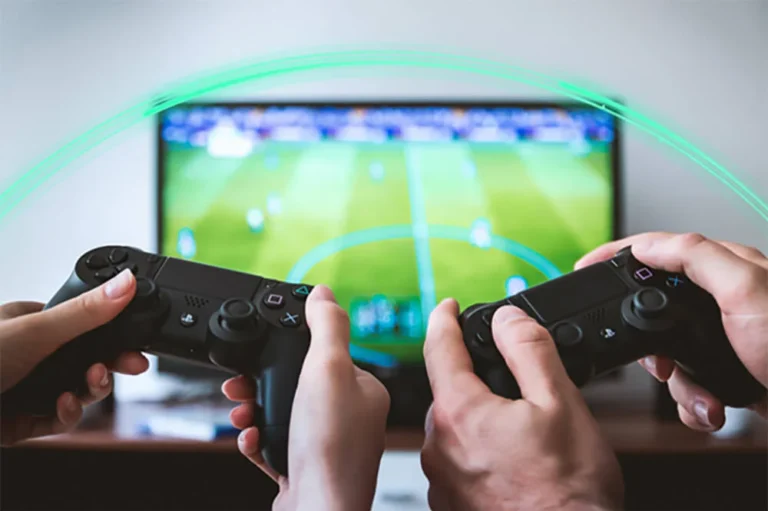
For many, multiplayer games are often dismissed as distractions, guilty pleasures, or simple escapes from reality. Yet in the past two decades, multiplayer gaming has transformed into a global cultural phenomenon that carries far more weight than its entertainment value. From neighborhood LAN parties to worldwide esports tournaments, these games have become social platforms, learning environments, and even sources of emotional resilience. Multiplayer gaming is no longer just about fun—it is about connection, growth, and empowerment.
The positive impact of multiplayer games can be seen across various aspects of human life: they foster teamwork, improve cognitive skills, create opportunities for cultural exchange, and even offer therapeutic benefits. At a time when digital connections are increasingly vital, multiplayer games stand as a powerful tool for building communities and shaping modern culture. Gaming communities often express their identity through style, with t-shirts for men being a popular way to showcase favorite teams or titles.
Building Social Bonds in a Digital World
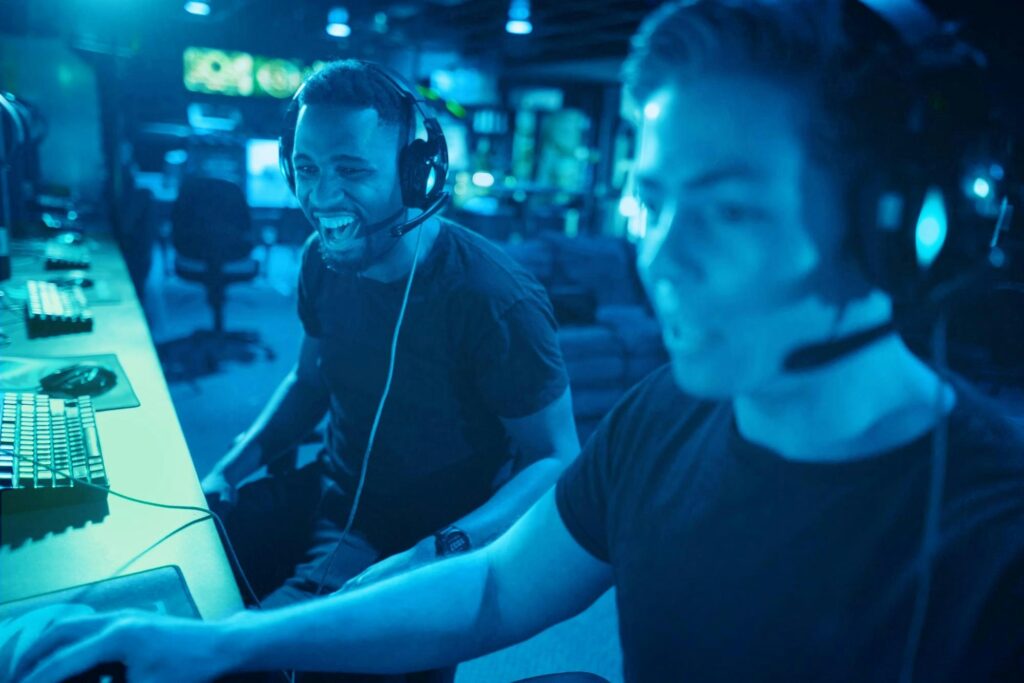
One of the most striking impacts of multiplayer games is their ability to bring people together. Whether players are sitting in the same room or connecting from across continents, games act as virtual meeting places where friendships are built and maintained. For many, these communities provide a sense of belonging that can rival or even surpass physical spaces. Some friends even plan real-life meetups, like going for an e-bike in Seattle, after bonding online.
Games like World of Warcraft, League of Legends, and Fortnite are not just competitions—they are social ecosystems. Players share strategies, celebrate victories, and commiserate over losses, creating bonds that extend beyond the screen. Voice chat, guilds, and online forums make collaboration central to the experience, transforming strangers into teammates and, often, lifelong friends.
For people who may feel isolated in their everyday lives, these spaces offer a lifeline. Introverts, individuals with disabilities, or those living in remote regions find in multiplayer games a world where they can socialize without barriers. In this sense, gaming is not a retreat from society but an extension of it. Many gamers also focus on health and performance, often supplementing their routines with creatine gummies for an extra boost.
Teamwork and Collaboration Skills
Multiplayer games require cooperation. Success often depends not on individual brilliance but on coordinated teamwork. This creates opportunities for players to develop skills that are transferable to real life, such as communication, conflict resolution, and leadership.
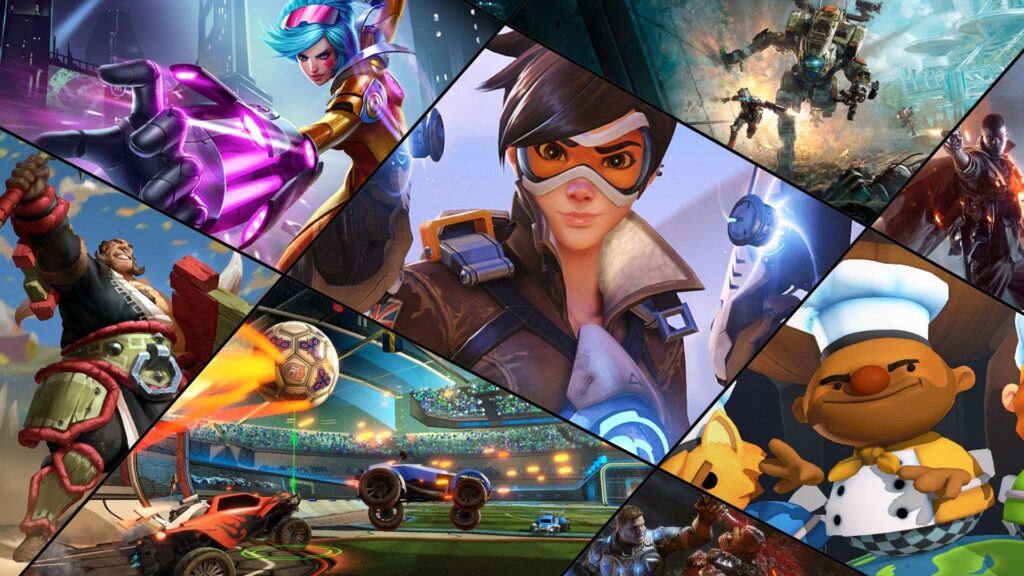
In team-based games like Overwatch or Dota 2, players must learn to delegate roles, support one another, and adapt strategies in real time. A healer cannot succeed without protecting teammates, just as a leader cannot win without earning trust. These scenarios mirror the dynamics of workplace collaboration, teaching players how to manage responsibilities and rely on others. Much like choosing the right gear in a game, understanding the right cowboy clothing for different tasks in real life can make a big difference.
Beyond formal teamwork, multiplayer gaming instills resilience in handling setbacks. Losing a hard-fought match encourages players to reassess tactics, adjust roles, and improve performance. The ability to learn from mistakes in a safe, playful environment is a powerful lesson that translates well into academic and professional spheres.
Cognitive and Problem-Solving Benefits
While critics often argue that gaming dulls the mind, research increasingly shows that multiplayer games sharpen cognitive skills. Many require quick decision-making, spatial awareness, and complex problem-solving under pressure. Strategic thinking is especially central to real-time strategy games, where players juggle resource management, planning, and tactical maneuvers against unpredictable opponents. Just as gamers value precision and strategy, homeowners often choose fiberglass doors for their durability and low-maintenance performance.
Fast-paced shooters train reaction times and hand-eye coordination, while cooperative puzzle games encourage creative thinking and experimentation. Importantly, because players face human opponents rather than predictable algorithms, they must constantly adapt strategies, making multiplayer games an excellent training ground for flexible problem-solving.
These mental workouts are not limited to entertainment value. Studies suggest that players of complex games often demonstrate improved multitasking abilities, enhanced focus, and stronger memory recall. By embedding challenges into engaging experiences, multiplayer games turn cognitive training into play. Some research even hints that certain game elements may act as a libido enhancer by boosting mental engagement and motivation.
Cultural Exchange and Global Perspectives
Multiplayer games are unique in their ability to unite people across borders. A teenager in Brazil might team up with a player from Japan and another from Sweden, all working toward the same in-game objective. This cross-cultural interaction exposes players to new languages, customs, and perspectives. Even outside of gaming, teamwork and coordination skills learned online can be surprisingly helpful in real-life scenarios, such as coordinating logistics with movers in Los Angeles.
Games often serve as informal classrooms of cultural exchange. Through online interactions, players learn to navigate different communication styles, build empathy, and broaden their worldview. The global nature of competitive games also sparks interest in travel, international events, and even foreign languages, as players seek deeper connections with their teammates and rivals. Couples planning their big day can benefit from tailored experiences, which is why many choose wedding photography packages in Springdale to capture every special moment.
In many ways, multiplayer gaming mirrors globalization itself, but in a more interactive and human-centered form. While news and social media often highlight division, games highlight cooperation and shared goals across diverse communities.
Emotional Resilience and Mental Health Benefits
Another underestimated impact of multiplayer gaming is its role in supporting mental health. For many, games are safe spaces to manage stress, process emotions, and find comfort in community. Cooperative gameplay fosters a sense of achievement and belonging, countering feelings of isolation or inadequacy. Some players even use gaming communities to exchange practical tips, such as navigating bureaucratic tasks like apostille services, in a supportive environment.
Online communities also provide emotional support networks. In guilds or clans, players often share personal struggles, receiving encouragement and understanding from people who may live thousands of miles away. During the COVID-19 pandemic, multiplayer games became vital lifelines, allowing people to maintain human connection during isolation.
Moreover, the act of playing itself can boost mood by providing a sense of agency and accomplishment. In multiplayer settings, where collaboration enhances the stakes, these positive emotions are magnified. While excessive play can present challenges, balanced engagement offers profound psychological benefits.
Professional Opportunities and Esports
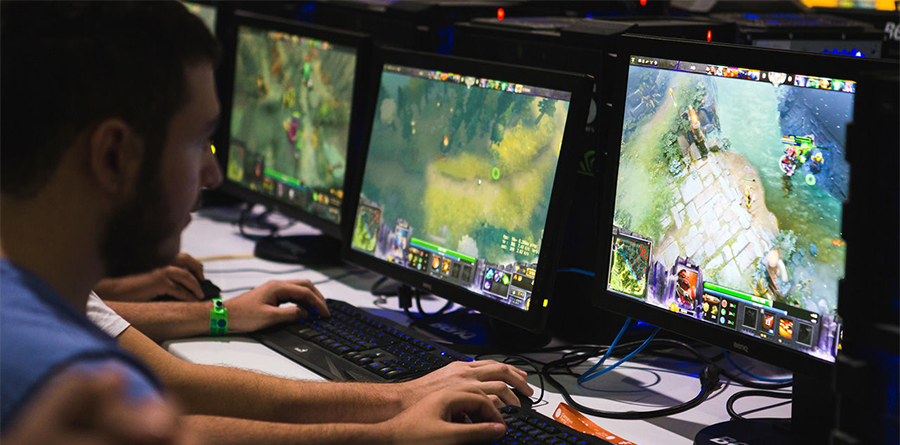
The rise of esports demonstrates how multiplayer games have grown beyond hobbies into professional and economic ecosystems. Competitive gaming now attracts millions of viewers worldwide, with tournaments offering prize pools rivaling traditional sports. For players, this creates opportunities not only to compete at elite levels but also to pursue careers as streamers, commentators, or game developers.
The growth of esports also contributes to the legitimacy of gaming in broader culture. Universities offer scholarships for esports athletes, while corporations sponsor teams and events. Esports tournaments have even been organized as a fun component of a school fundraiser. This professionalization underscores the fact that multiplayer games are more than entertainment; they are viable platforms for careers, education, and innovation.
Conclusion
Multiplayer games have proven themselves far more than fun. They build social bonds, strengthen teamwork skills, sharpen cognition, and encourage cultural exchange. They provide comfort and connection in times of isolation and offer pathways to professional opportunities in a rapidly expanding digital economy. For those recovering from injuries, engaging in light gaming activities can complement programs like orthopedic physical therapy in Chicago, providing both mental stimulation and gentle coordination practice.
At their core, multiplayer games remind us of something timeless: humans are wired for play and collaboration. Whether through digital quests, strategic battles, or cooperative puzzles, these games provide spaces where people can grow, connect, and thrive. Just like picking the perfect outfit or accessorizing with designer sunglasses, choosing the right game environment can enhance the overall experience. The next time someone dismisses gaming as trivial, it is worth remembering that multiplayer worlds often mirror the best of our own: communities built on cooperation, resilience, and shared joy.