In the fast-paced, high-stakes world of DOTA 2, communication is everything. Yet, it is not limited to typed messages or voice chat. Many of the most skilled players convey information, intentions, and strategies entirely through movement, positioning, and map control. This silent language, often imperceptible to casual observers, forms a complex system of cues and signals that enable teammates to coordinate effectively, respond to threats, and capitalize on opportunities. Understanding this phenomenon requires examining how map control functions as a medium of communication, how experienced players interpret positional cues, and how this form of interaction has reshaped professional and competitive play. In DOTA, every step, every ward placement, and every retreat communicates meaning, turning the battlefield into a language that speaks louder than words.
The Fundamentals of Map Control in DOTA
Map control is at the core of DOTA 2 strategy. It encompasses vision, positioning, resource control, and spatial dominance. By controlling key areas of the map, players can dictate the pace of the game, anticipate enemy movements, and create opportunities for engagements on their own terms. While map control is typically discussed in tactical terms, it also carries communicative power. Every movement on the map conveys information to teammates, signaling intentions and priorities without the need for verbal exchange. Much like how veteran apparel can signal identity and values without words, map presence in DOTA 2 communicates experience, confidence, and intent to both allies and opponents.
For example, the placement of wards provides more than just vision. It communicates a team’s awareness of enemy positioning and reveals strategic intent. A ward in a deep enemy jungle not only allows a team to anticipate ganks but also signals confidence and aggression to allies. Similarly, rotations between lanes indicate planned objectives. When a player moves from the safe lane to mid without pinging, experienced teammates can interpret this as a potential gank, a rotation for rune control, or preparation for a team fight. Even passive actions, such as lingering near certain areas or farming camps, can convey strategic intent, creating a subtle but rich language of movement.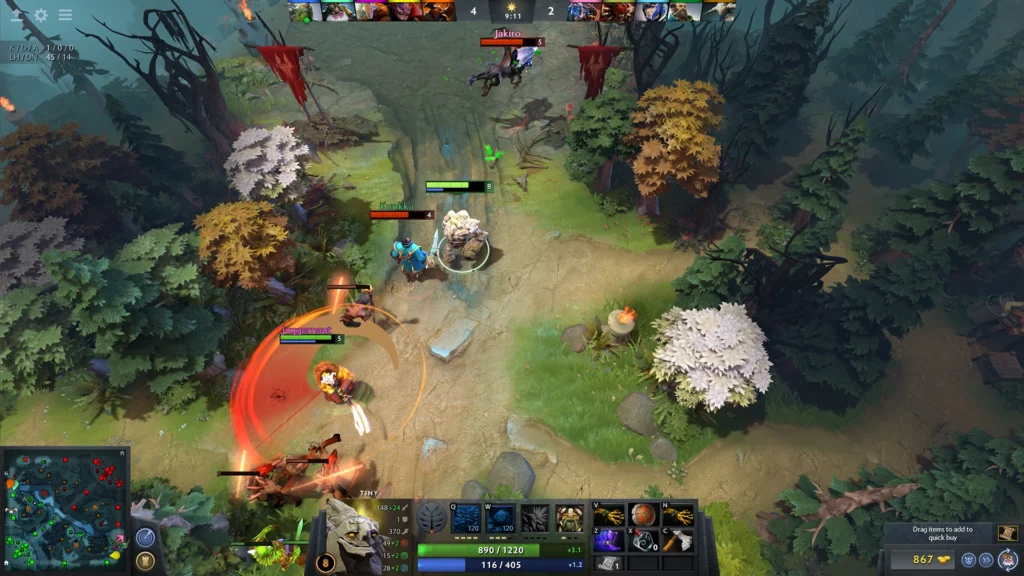
The interpretive aspect of map control is crucial. Unlike typed messages, movement is constantly observable and must be read in context. The significance of a rotation or positioning change depends on timing, hero choice, and the broader state of the game. Thus, map control as a language is both expressive and dynamic, allowing teams to convey complex information continuously without interrupting the flow of gameplay. This silent dialogue forms the backbone of high-level coordination, where efficiency and intuition are more valuable than chat messages that might distract or clutter the screen.
Movement as a Non-Verbal Signal
In DOTA 2, the subtleties of movement convey a surprising amount of information. Players use positioning not only to gain tactical advantage but also to communicate intentions, threats, and priorities to teammates. For instance, a hero hovering near an objective like Roshan or a tier-two tower signals readiness for a fight or the need to control high-value resources. Conversely, a hero retreating into fog-covered areas may indicate caution, recognition of enemy strength, or preparation for an ambush. Every step becomes a signal that teammates can interpret and respond to in real time.
High-level players develop an intuitive understanding of these signals, allowing them to coordinate seamlessly without voice communication. A support hero moving toward a lane before a creep wave arrives can indicate a plan to secure farm or protect a carry. Conversely, aggressive positioning in the enemy jungle may communicate confidence in numerical advantage or the need to establish dominance over key resources. These movements are often executed alongside minimal pinging, relying on the shared understanding of professional or experienced teammates. The unspoken agreements between players create a form of choreography, turning movement into a shared language that is understood contextually.
This system extends beyond simple signals. Patterns of movement reveal strategic habits and priorities. For example, consistently occupying high-ground positions can indicate map control dominance and territorial awareness. Players who anticipate enemy rotations through positional adjustments demonstrate not only tactical skill but also communicative clarity. Over time, teams develop a nuanced vocabulary of movement: rotations, positioning near vision points, pathing choices, and even idle behaviors become deliberate signals that inform team decisions without a single word being typed or spoken.
Pings and Visual Cues: The Augmented Language of Movement
While movement itself constitutes the foundation of silent communication, pings and other visual cues serve as augmentations that clarify intent and highlight critical information. In high-level play, pings are rarely random or reactive; they are deliberately synchronized with movement to emphasize strategy and focus attention. A well-timed ping can reinforce positional cues, alert teammates to danger, or signal coordinated action without breaking the flow of the game.
For instance, a retreat ping accompanied by a hero moving toward safety can indicate recognition of imminent danger, while a danger ping near a neutral objective can warn teammates of potential ambush. Similarly, a push ping combined with a hero rotating into a lane signals the intention to apply pressure. These combinations of movement and visual cues create layers of meaning, allowing for rapid, precise communication that adapts to the evolving dynamics of the game. Unlike chat, which requires cognitive focus and time, these cues are instantaneous and perceptible within the natural flow of gameplay.
The effectiveness of this augmented language relies on shared understanding. Teams with extensive practice or professional experience internalize the meanings of various ping-movement combinations, enabling nuanced coordination even under high-pressure conditions. This system allows teams to execute complex strategies, such as baiting, coordinated rotations, or split-push maneuvers, with remarkable efficiency. In essence, pings and visual cues amplify the language of movement, turning positional awareness into actionable intelligence that teammates can interpret instantly.
Map Control as Psychological Communication
Beyond tactical utility, map control functions as a form of psychological communication. Players convey not only information about objectives and threats but also intention, confidence, and dominance. For example, occupying contested areas without immediate engagement communicates fearlessness and pressure, potentially influencing enemy behavior. Conversely, cautious positioning near base defenses may signal hesitation, vulnerability, or the need for reinforcement. Experienced players can manipulate map control to shape enemy decisions, creating indirect communication that extends beyond their own team.
This psychological aspect is particularly evident in professional play, where subtle shifts in positioning can influence how opponents react. By controlling vision, movement, and presence on the map, teams can force opponents to make suboptimal decisions, such as avoiding high-priority farming areas or overcommitting to defensive positions. In this sense, map control serves as a silent conversation with both allies and enemies, shaping the flow of the game without relying on direct chat. The ability to read and respond to these signals separates casual players from elite competitors, as the unspoken dialogue becomes a decisive factor in victory.
Moreover, the psychological impact of map control extends to confidence management and momentum. Teams that demonstrate strong territorial presence communicate dominance, morale, and readiness to capitalize on mistakes. Even when not engaging directly, positioning itself conveys a narrative of control, shaping the perceptions of both allies and adversaries. The language of map control, therefore, operates on multiple levels, blending tactical communication, strategic intent, and psychological influence into a single coherent system of interaction.
Conclusion: Map Control as a Universal Language
DOTA 2 demonstrates that communication in competitive gaming extends far beyond spoken or typed words. Through movement, positioning, and map control, players develop a complex, nuanced language that conveys strategy, intention, and psychological presence. From ward placements and rotations to pathing choices and territorial dominance, every action on the map carries meaning for both allies and enemies. Skilled players learn to interpret these signals in real time, creating a silent dialogue that is both efficient and rich with information.
The evolution of map-based communication reflects broader trends in esports and competitive gaming. As games become faster, more complex, and more strategic, players increasingly rely on non-verbal cues to maintain cohesion and respond effectively under pressure. Professional teams have elevated this form of interaction to an art, demonstrating how movement itself can replace conventional forms of communication. Ultimately, map control in DOTA 2 is not simply a tactical tool—it is a language that bridges intuition, strategy, and teamwork, proving that in the world of competitive gaming, sometimes the most powerful communication occurs without a single word.