
Spray foam insulation is one of the most effective and energy-efficient ways to insulate your home. Whether you’re building a new house or upgrading an older one, understanding how spray foam works, its benefits, and the types available can help you make informed decisions for long-term comfort and savings. This guide will walk you through the essential aspects of spray foam insulation, including its types, installation process, and the advantages it offers to homeowners.
1. What is Spray Foam Insulation?
Spray foam insulation is a type of foam that expands upon application, filling gaps and cracks to create a highly efficient barrier. It is applied as a liquid that quickly solidifies into a dense, energy-efficient material. There are two main types of spray foam insulation:
- Open-Cell Foam: This type of foam has a lower density and is great for areas that require soundproofing and thermal insulation, like attics and interior walls.
- Closed-Cell Foam: With a higher density and moisture-resistant properties, closed-cell foam is ideal for areas exposed to moisture, such as basements or crawl spaces.
2. The Benefits of Spray Foam Insulation
Spray foam insulation offers numerous benefits that can make it a worthwhile investment for any homeowner.
2.1 Energy Efficiency
Spray foam creates an airtight seal that reduces the escape of heat during the winter and keeps cool air inside during the summer. This results in a more energy-efficient home and can reduce heating and cooling costs by as much as 50%.
2.2 Enhanced Comfort
By eliminating drafts and regulating temperature more effectively, spray foam contributes to a more consistent indoor climate. Homes with spray foam insulation tend to have fewer hot and cold spots, improving overall comfort.
2.3 Moisture Resistance
Closed-cell spray foam insulation is especially effective in moisture-prone areas. It helps to prevent water from penetrating your walls, attic, or basement, which in turn reduces the risk of mold and mildew growth.
3. The Installation Process
Proper installation of spray foam insulation is essential for it to perform at its best. Here’s a quick overview of the installation process:
3.1 Preparing the Area
Before installation, the area must be cleaned and prepped. This includes removing any debris and ensuring that surfaces are dry and free of moisture.
3.2 Applying the Foam
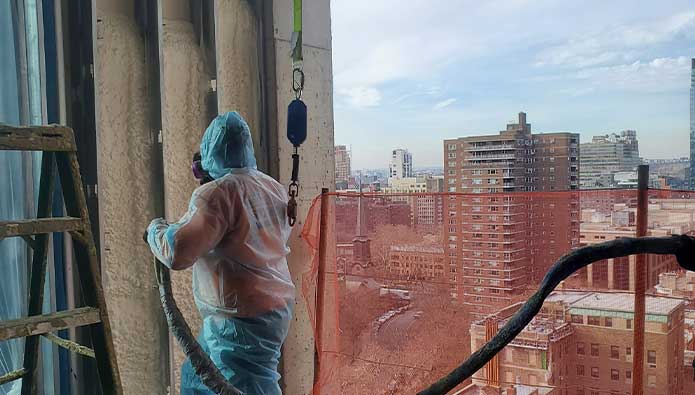
Once the area is ready, a technician will use specialized equipment to spray the foam onto surfaces like walls, ceilings, or floors. The foam will then expand to fill every nook and cranny, creating a seamless barrier.
3.3 Curing Time
The foam will take a few hours to fully cure, during which time it hardens and forms a solid insulating layer.
4. Is Spray Foam Insulation Right for Your Home?
While spray foam insulation is beneficial, it may not be the best choice for every home. It’s essential to consider factors like cost, the area you wish to insulate, and the climate in your region. A professional consultation can help determine if spray foam is the best option for your specific needs. For commercial spaces, office spray foam insulation in NY can provide the same benefits, ensuring your office is energy-efficient and comfortable year-round.
Conclusion
Spray foam insulation is an innovative and efficient solution for improving your home’s energy efficiency, comfort, and protection against moisture. Whether you’re interested in open-cell foam for its soundproofing qualities or closed-cell foam for its moisture resistance, spray foam can transform your home into a more energy-efficient and comfortable space. Make sure to consult with a professional installer to determine the best approach for your home.