
In modern manufacturing, advanced casting techniques have revolutionized the production of prototypes and functional components. Machined casting, a process that combines traditional casting methods with machining to refine the final product, plays a pivotal role in industries ranging from aerospace to automotive and medical devices. This article explores advanced techniques in machined casting, their benefits, and how they streamline the production process for prototypes and manufacturing.
Precision Machining in Casting
- High Tolerance Castings: Precision machining after casting ensures that components meet strict tolerance requirements. Machining removes excess material to achieve precise dimensions and smooth surfaces, which is critical for prototypes that require high accuracy.
- Complex Geometries: Advanced machining techniques allow for the creation of complex geometries that cannot be achieved through traditional casting alone. This opens up possibilities for innovative designs in both prototype and production stages.
- Surface Finish Improvement: Post-casting machining enhances the surface finish, reducing roughness and increasing the component’s durability and performance in real-world applications.
Integration of Additive Manufacturing with Casting
- 3D-Printed Patterns: One of the most cutting-edge techniques involves integrating 3D printing with casting. By printing the casting pattern directly, manufacturers can create highly detailed and complex designs quickly. This method significantly reduces lead times for prototyping.
- Sand Casting with 3D Printing: Combining 3D printed sand molds with traditional sand casting techniques improves efficiency. This hybrid method is particularly useful in casting prototype parts in short runs, without compromising on quality.
- Cost-Effective Low-Volume Production: The combination of additive and traditional casting methods allows for lower-cost production of small quantities, ideal for prototype testing and smaller production runs.
Advanced Materials and Alloys
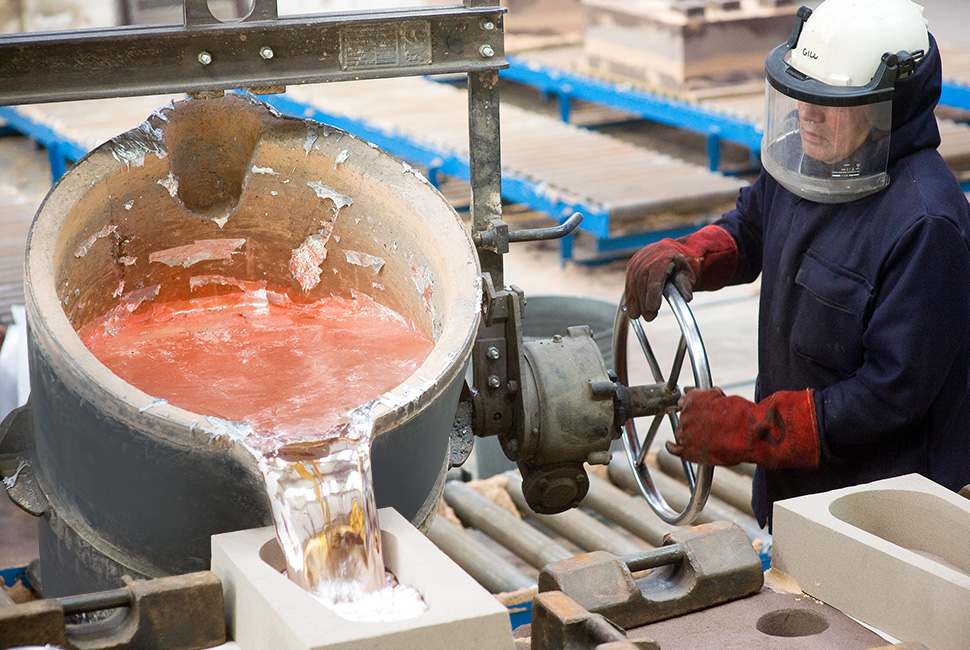
- High-Performance Alloys: The use of specialized materials such as titanium, high-strength aluminum, and nickel alloys in machined casting opens new avenues for high-performance prototypes. These materials offer better strength-to-weight ratios and resistance to heat and wear, essential for components in demanding environments.
- Customization of Material Properties: Advanced casting allows for the customization of material properties through alloy composition and treatment processes, such as heat treatment and quenching, to meet the specific needs of prototypes or end-use products.
- Lightweight Casting for Aerospace and Automotive: The aerospace and automotive industries benefit from lightweight casting techniques, where alloys are engineered to reduce weight while maintaining structural integrity, crucial for both prototypes and final products.
- Foundry Support for Aluminum Castings: The role of foundry support is critical in the production of aluminum castings, as it provides the necessary technical expertise to ensure quality, consistency, and efficiency in the casting process, especially for low to medium-volume production runs.
Conclusion
Advanced techniques in machined casting have transformed how prototypes and manufacturing components are produced, making the process more efficient and precise. By integrating precision machining, additive manufacturing, and advanced materials, industries can achieve superior products faster and more cost-effectively. These innovations not only optimize prototype development but also enhance the scalability of manufacturing, paving the way for more complex, durable, and functional components in various fields.