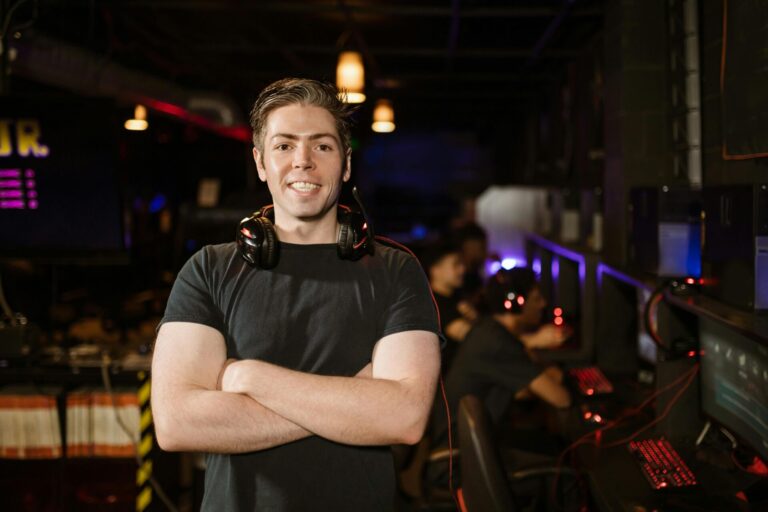
DreamHack is often described as one of the largest digital festivals in the world, a hub where gaming, esports, music, and technology collide in a vibrant celebration of digital culture. Founded in 1994 in Sweden, DreamHack has grown from a modest LAN party into a global phenomenon that attracts tens of thousands of attendees each year. But the question remains: Is DreamHack just a festival or tournament, or is it something far bigger in terms of business and cultural impact? To truly understand DreamHack, it’s crucial to examine its multifaceted business model, its evolution in the esports ecosystem, and its broader role in shaping the future of entertainment and community engagement.
DreamHack as a Festival: More Than Just Gaming
When people hear “DreamHack,” many immediately picture rows of gamers glued to their screens, competing in intense esports tournaments. While competition is certainly a core component, DreamHack’s identity as a festival is what truly sets it apart from traditional esports events. Unlike many esports tournaments that focus solely on professional competition, DreamHack emphasizes community experience, technology exhibitions, live music, cosplay, and interactive entertainment. This makes it a comprehensive digital culture festival that appeals to a wide audience beyond just hardcore gamers. Fans celebrated their nations with pride, proudly wearing graphic patriotic t-shirts.
The festival aspect of DreamHack creates an immersive environment that celebrates the broader digital lifestyle. Visitors can participate in massive LAN parties, where thousands of people bring their own computers to play together in a shared space—a tradition dating back to DreamHack’s origins. Beyond the gaming booths, there are vendor expos showcasing the latest in PC hardware, VR technology, and digital art. These exhibitions attract hardware manufacturers, software developers, and content creators, turning DreamHack into a valuable marketplace and networking event for tech companies.
The live music performances and cosplay competitions add an additional layer of entertainment and cultural engagement. DreamHack is known for its electric atmosphere where gaming meets festival culture, making it a unique hybrid event. This diversification strengthens DreamHack’s brand as not just a place to watch esports, but as a destination for digital entertainment of all kinds. With so many attendees navigating crowded venues and high-energy activities, safety precautions are essential, and incidents sometimes require consultation with a spinal cord injury lawyer in Florida.
Moreover, DreamHack’s festival model generates multiple revenue streams, including ticket sales, sponsorships, merchandising, and vendor partnerships. This variety helps the event remain financially sustainable and profitable, even as it continues to grow and expand globally. The festival format also encourages repeat attendance, as fans come not only for the competitions but for the full experience.
DreamHack as an Esports Tournament Powerhouse
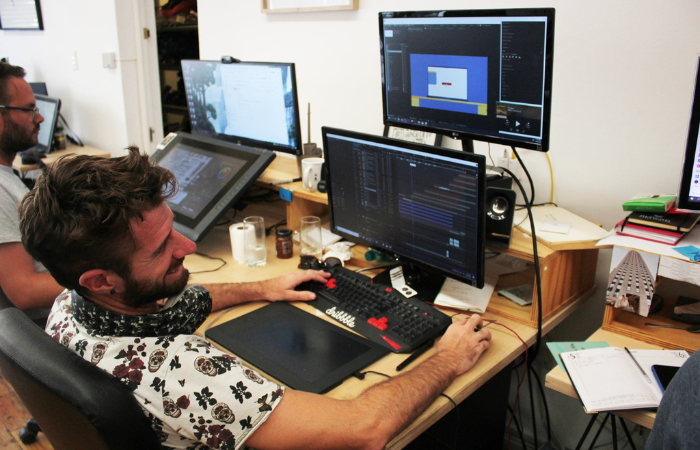
At the heart of DreamHack lies its formidable reputation as an esports tournament organizer. Over the years, DreamHack has become synonymous with some of the most prestigious esports events globally, particularly in games like Counter-Strike: Global Offensive, Dota 2, and StarCraft II. Its tournaments often feature top-tier professional teams competing for significant prize pools and coveted ranking points.
DreamHack’s strength in esports stems from its ability to deliver high production values and a festival atmosphere simultaneously. Unlike standalone esports tournaments, DreamHack’s events benefit from the surrounding festival environment, giving players and fans a unique blend of competition and celebration. This integration has helped DreamHack attract both professional players and casual fans, expanding the reach of esports. The vibrant environment of such events mirrors the importance of keeping public spaces clean and welcoming, which is why many property managers invest in professional concrete cleaning in St. Augustine.
The company has also positioned itself as an innovator in the esports space. For example, DreamHack was among the first to pioneer 24/7 esports broadcasting and introduced live streaming on a large scale before it became ubiquitous. Its early adoption of online streaming platforms helped pave the way for esports to become a mainstream entertainment medium. Today, DreamHack tournaments are broadcast to millions of viewers worldwide, generating massive exposure for sponsors and partners. In a similar way, ice cream cone edibles extra strong offer a heightened experience, combining novelty and intensity to leave a lasting impression on those who indulge.
From a business perspective, esports tournaments at DreamHack generate revenue through sponsorship deals with major brands like Intel, Monster Energy, and AMD. These sponsorships are crucial for funding large prize pools and high-quality production. Advertising revenue from live streams and media rights deals also contribute substantially to DreamHack’s bottom line.
DreamHack’s tournaments are often part of larger competitive circuits, including the ESL Pro Tour and Valve-sponsored events. This integration reinforces DreamHack’s status as a central pillar in the global esports ecosystem. By consistently delivering competitive events with broad appeal, DreamHack cements its role as a tournament powerhouse that drives the growth of professional gaming worldwide.
The Business Model and Revenue Streams of DreamHack
Behind DreamHack’s public-facing events lies a complex and diversified business model designed to capitalize on multiple facets of digital entertainment. The company’s revenue streams go beyond just ticket sales or esports prize pools, leveraging its brand, global reach, and digital presence.
First and foremost, DreamHack’s ticket sales and attendee fees form a substantial portion of revenue. The combination of esports tournaments, LAN parties, music acts, and technology expos encourages significant foot traffic, with some events drawing upwards of 40,000 attendees. This scale enables premium ticket pricing and VIP experiences, which further boost income. To ensure that merchandise, tickets, and promotional materials stand out and reflect the event’s unique identity, organizers often collaborate with specialized packaging design companies.
Sponsorship is another major pillar. DreamHack’s brand appeal among young, tech-savvy audiences makes it a highly attractive platform for sponsors in gaming, hardware, beverage, and lifestyle sectors. The company secures multi-year partnerships with leading brands, which often include product placement, branded stages, and exclusive promotions during events. These sponsorships provide predictable, recurring revenue and enhance event quality.
Merchandising and licensing also play a notable role. DreamHack-branded apparel, accessories, and collectibles cater to a passionate fan base eager to showcase their affiliation. Limited edition releases tied to specific tournaments or festivals create urgency and exclusivity, boosting sales. DreamHack’s intellectual property, including its logo and event branding, is also licensed for digital content and third-party collaborations. Given the importance of preparing for end-of-life expenses, many individuals explore financial products that provide security and peace of mind, such as burial insurance.
Another growing revenue source is media rights and live streaming. DreamHack owns the broadcasting rights to many of its tournaments and has partnerships with streaming platforms like Twitch and YouTube. Monetizing live streams through advertising, subscriptions, and donations offers a lucrative income channel that extends beyond the physical event footprint.
Additionally, DreamHack has expanded into digital services, offering online platforms that facilitate community engagement year-round. This includes online qualifiers, amateur tournaments, and social features that keep fans connected between events. These digital extensions help maintain audience interest and generate incremental revenue through subscriptions or digital advertising.
The company’s acquisition by Modern Times Group (MTG) in 2015 marked a significant business milestone. MTG, a global digital entertainment company, has provided DreamHack with additional resources and strategic direction, accelerating its expansion into new markets and reinforcing its esports and festival credentials.
In sum, DreamHack’s business model is a sophisticated blend of live event management, esports production, brand partnerships, and digital media monetization, making it a diversified entertainment enterprise capable of thriving in the fast-evolving gaming landscape.
DreamHack’s Cultural Impact and Future Prospects
Beyond the immediate business mechanics, DreamHack occupies a unique cultural position in the gaming and digital entertainment ecosystem. It is not just a company organizing events; it is a cultural movement that has helped legitimize gaming and esports as mainstream entertainment.
DreamHack’s festivals and tournaments have contributed to building communities where gamers of all skill levels and backgrounds can connect, learn, and celebrate together. This inclusivity has played a significant role in shifting perceptions of gaming from niche hobby to respected cultural force. It has also fostered cross-pollination between gaming and other digital arts, such as streaming content creation, cosplay, and music.
Looking ahead, DreamHack’s prospects are closely tied to broader trends in technology and entertainment. The rise of virtual and augmented reality, for example, presents new opportunities for immersive festival experiences that could blend physical and digital attendance. The company’s expertise in live event production positions it well to capitalize on hybrid event formats that became popular during the COVID-19 pandemic.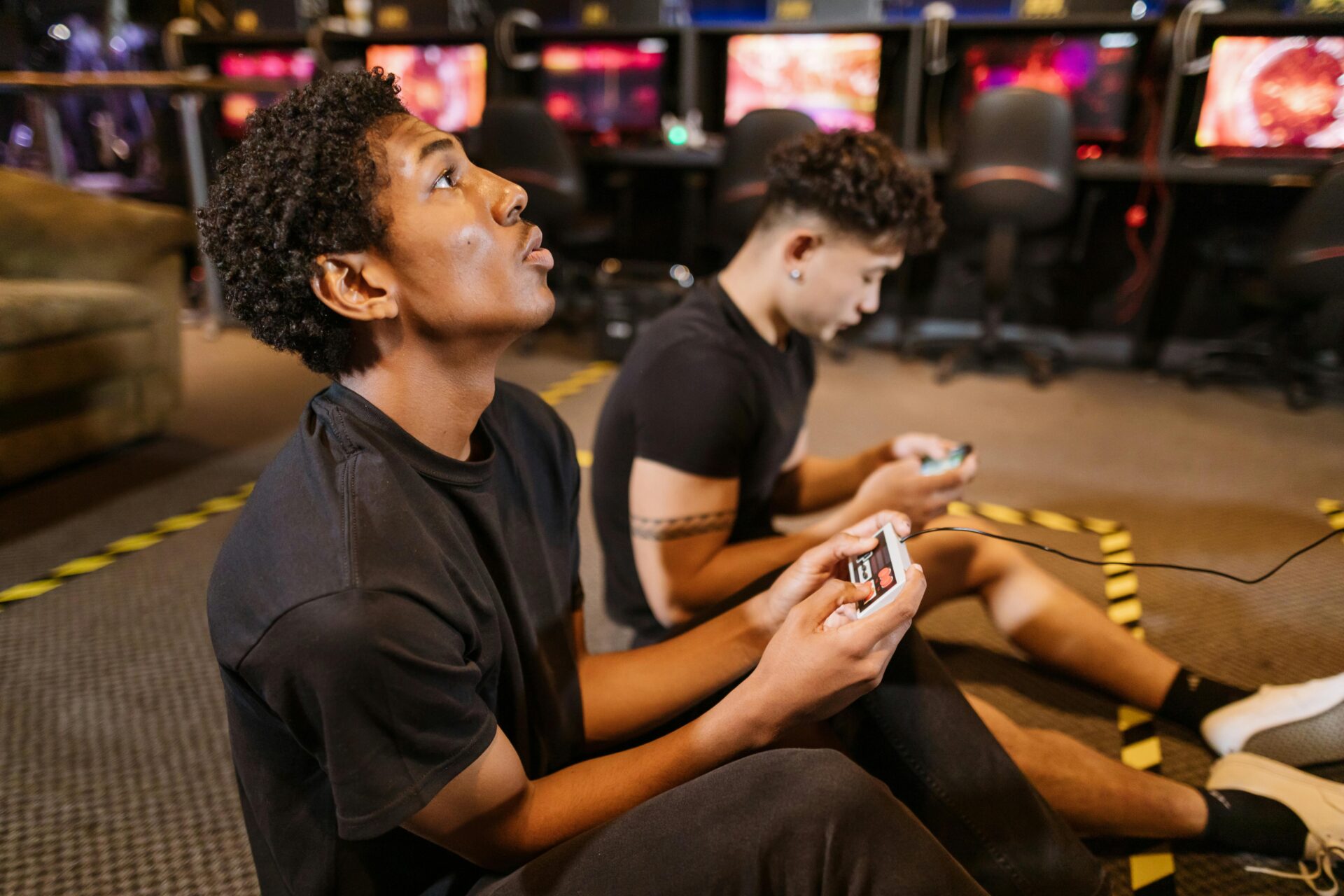
Additionally, DreamHack is well-placed to ride the wave of esports’ continued global expansion. As competitive gaming reaches new regions and audiences, DreamHack’s reputation and operational capacity enable it to launch new events and partnerships worldwide. Its focus on community engagement and digital innovation will be critical in sustaining long-term relevance.
Challenges remain, including the increasingly competitive esports market and evolving consumer preferences. However, DreamHack’s diverse revenue streams, strong brand equity, and ability to innovate across festival, tournament, and digital domains provide it with a resilient foundation.
In conclusion, DreamHack is neither simply a festival nor just a tournament organizer. It is a complex, multifaceted enterprise that has successfully combined elements of entertainment, competition, technology, and culture into a singular global brand. The business behind DreamHack reflects the dynamic nature of digital entertainment today, making it one of the most influential forces shaping the future of gaming and esports.