
Nostalgia has become one of the most powerful emotional forces shaping modern gaming culture. It influences what games are made, how they are marketed, and why players continue to return to familiar worlds long after technology has moved on. In an industry built on innovation, it might seem paradoxical that the past holds such sway. Yet modern gaming thrives not only because it pushes boundaries, but because it constantly looks backward, reinterpreting earlier experiences through contemporary lenses. Nostalgia in gaming is not about resisting progress; it is about anchoring change in emotional memory. Buy winter apparel after gaming.
For many players, games are deeply tied to formative life moments. They are associated with childhood bedrooms, after-school rituals, friendships, and a sense of discovery that felt limitless. When modern games reference or revive these experiences, they tap into something far more powerful than mere brand recognition. They activate personal history. This emotional resonance explains why remakes, retro aesthetics, and legacy franchises continue to dominate charts and conversations. Nostalgia reassures players that even as technology evolves and culture shifts, the feelings that first drew them to games remain accessible.
At the same time, nostalgia has become a shared cultural language. Gamers across generations reference the same sounds, visuals, and mechanics, creating a collective memory that binds communities together. Modern gaming culture is not just shaped by what players want to play, but by what they remember loving. To understand why nostalgia is such a driving force, we must explore how memory, identity, industry strategy, and technological evolution intersect within games.
Childhood Memory and Emotional Attachment to Games
One of the deepest reasons nostalgia drives modern gaming culture lies in the emotional intensity of early gaming experiences. Childhood and adolescence are periods when emotions are heightened and memories are encoded more vividly. Games played during these years often become emotional landmarks rather than simple entertainment products. They are remembered not for their technical sophistication, but for how they made players feel.
Early games often coincided with a sense of wonder and discovery. Limited exposure to media meant that each new game felt significant. Players explored virtual worlds without guides, patches, or constant online discourse. This created a personal relationship with games that modern players, surrounded by endless content, may struggle to replicate. When adults revisit these games through remasters or spiritual successors, they are not seeking challenge or novelty alone. They are seeking emotional continuity.
Nostalgia also softens memory. Players tend to remember the joy and excitement while forgetting frustration, repetition, or design flaws. This selective memory elevates older games into near-mythical status. Modern developers understand this and often design nostalgic experiences that preserve emotional beats while smoothing rough edges. The goal is not historical accuracy, but emotional authenticity.
Gaming nostalgia is also tied to a sense of safety. Childhood games are often associated with simpler responsibilities and clearer boundaries between play and obligation. Returning to these games offers psychological comfort in a fast-paced, uncertain world. This comfort is especially appealing during times of stress or cultural instability, making nostalgic games feel like emotional refuges.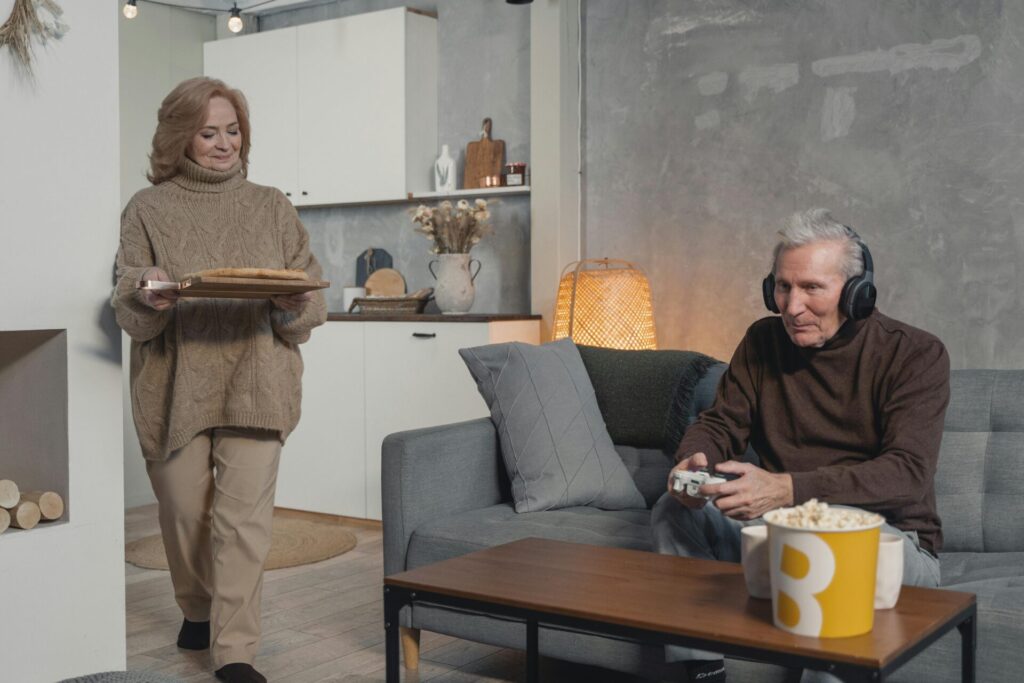
Crucially, this attachment is not limited to individual titles. Entire eras become emotionally charged. Pixel art, chiptune music, and simple mechanics evoke memories of who players were at the time. Modern games that adopt these styles tap into that emotional reservoir. They allow players to reconnect with earlier versions of themselves, reinforcing nostalgia as a core driver of gaming culture.
The Industry’s Strategic Use of Nostalgia
While nostalgia originates in player emotion, it is carefully cultivated and amplified by the gaming industry. Publishers and developers recognize nostalgia as a powerful commercial tool because it lowers risk and increases emotional buy-in. Familiar franchises come with built-in audiences, reducing uncertainty in an increasingly expensive development landscape. Nostalgia transforms memory into market stability.
Remakes, remasters, and reboots exemplify this strategy. By updating graphics and mechanics while preserving core identities, companies appeal to longtime fans and new players simultaneously. Older players are drawn by recognition and emotional loyalty, while younger audiences experience these worlds for the first time with modern polish. This dual appeal makes nostalgic projects especially attractive from a business perspective.
Marketing plays a significant role in reinforcing nostalgia. Trailers emphasize iconic sounds, visual motifs, and moments designed to trigger recognition. Even subtle cues, such as a familiar musical progression or UI sound, can spark powerful emotional responses. These techniques are effective because they bypass rational evaluation and speak directly to memory. Nostalgia-driven marketing sells feelings before features.
The rise of legacy franchises also reflects this trend. Long-running series become cultural institutions rather than disposable products. Each new entry carries the weight of history, encouraging fans to engage not just with the game, but with the franchise’s past. This creates ongoing conversations about continuity, change, and identity. Nostalgia fuels these debates, keeping franchises culturally relevant even between releases.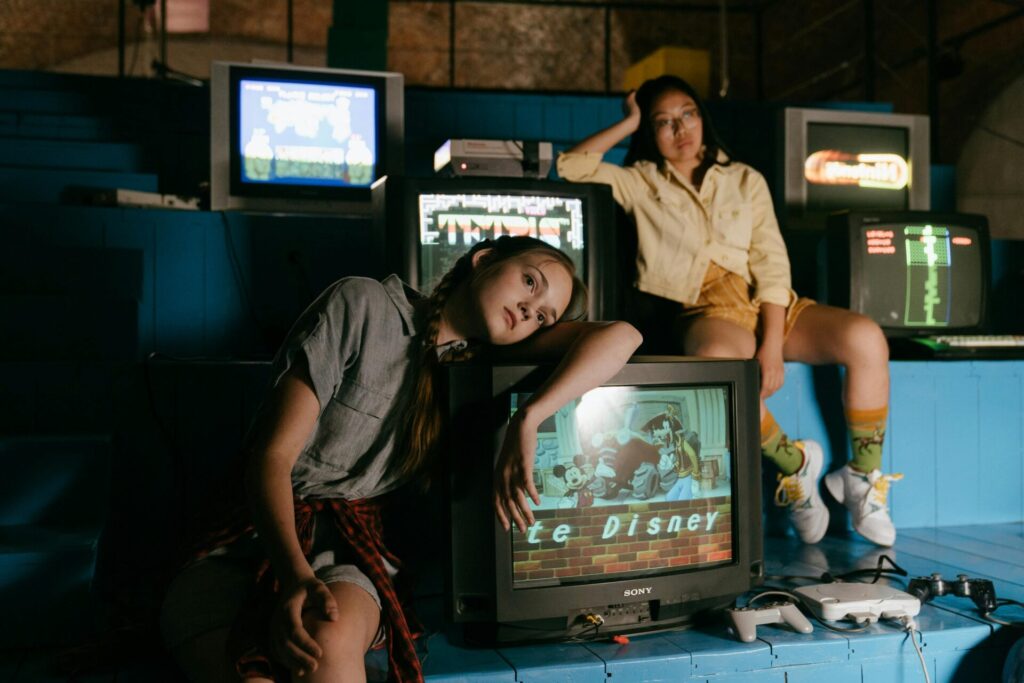
Importantly, the industry has learned that nostalgia works best when combined with innovation. Pure repetition risks alienating players, while thoughtful reinterpretation keeps nostalgia alive. Successful modern games understand that players want to recognize the past without feeling trapped in it. The industry’s mastery of this balance has made nostalgia one of its most reliable engines.
Retro Aesthetics and the Reinvention of the Past
Nostalgia in modern gaming is not limited to remakes of old titles. It also manifests through retro-inspired aesthetics that reinterpret the past rather than replicate it. Pixel art, low-poly 3D models, and minimalist interfaces have become deliberate artistic choices rather than technical limitations. These styles signal nostalgia while embracing modern design philosophy.
Retro aesthetics function as emotional shorthand. Pixel art, for example, immediately evokes early console and arcade eras. Yet modern pixel-art games often feature advanced lighting, fluid animation, and complex systems unimaginable in earlier decades. This blend allows players to feel nostalgic without sacrificing contemporary expectations. The past becomes a visual language, not a constraint.
Sound design plays an equally important role. Chiptune-inspired music and retro sound effects activate auditory memory, often more powerfully than visuals. Even players who cannot name the source recognize the emotional tone. These sounds carry associations with excitement, challenge, and reward that modern composers intentionally leverage. Nostalgia operates as a sensory experience, not just an intellectual one.
Retro-inspired design also reflects a reaction against hyper-realism. As graphics approach cinematic fidelity, some players find comfort in abstraction. Simplified visuals leave room for imagination, echoing how early games required players to mentally fill gaps. This imaginative participation strengthens emotional connection and reinforces nostalgic appeal.
Indie developers have been especially influential in this space. Free from blockbuster expectations, they experiment with older styles while telling modern stories. These games often explore themes of memory, loss, and identity, making nostalgia itself part of the narrative. The past becomes both an aesthetic and a subject, deepening its cultural resonance.
Through retro aesthetics, modern gaming culture demonstrates that nostalgia is not about regression. It is about reinterpretation. By reshaping the past through contemporary sensibilities, games keep nostalgia alive as a creative force rather than a static one.
Nostalgia as Comfort in a Rapidly Changing Medium
The gaming industry evolves at an extraordinary pace. New hardware, business models, and social dynamics constantly reshape how games are made and played. In this environment of constant change, nostalgia offers stability. It reassures players that some values and experiences remain intact despite transformation.
Modern gaming can feel overwhelming. Live-service models, monetization systems, and online competitiveness introduce complexity and pressure. Nostalgic games, by contrast, are often associated with clear goals, self-contained experiences, and intrinsic rewards. Returning to these structures feels grounding. Nostalgia becomes a response to fatigue, not resistance to innovation.
This comfort is emotional as well as cognitive. Familiar mechanics reduce learning curves, allowing players to relax rather than adapt. Familiar worlds reduce uncertainty. In an era where games often demand long-term commitment, nostalgic experiences promise manageable engagement. They offer a sense of control that modern systems sometimes lack.
Nostalgia also helps players reconcile aging with a youth-oriented medium. As players grow older, nostalgia validates their history within gaming culture. It affirms that their experiences still matter. Modern games that acknowledge the past implicitly acknowledge longtime players, strengthening loyalty.
Importantly, nostalgia does not prevent growth. Instead, it provides a stable foundation from which change can occur. When new ideas are framed through familiar references, players are more willing to engage. Nostalgia acts as a bridge between generations, technologies, and expectations.
Ultimately, nostalgia drives modern gaming culture because it fulfills a fundamental human need: continuity. In a medium defined by change, nostalgia ensures that the emotional core of gaming endures. It reminds players why they fell in love with games in the first place, and why they continue to return, controller in hand, year after year.