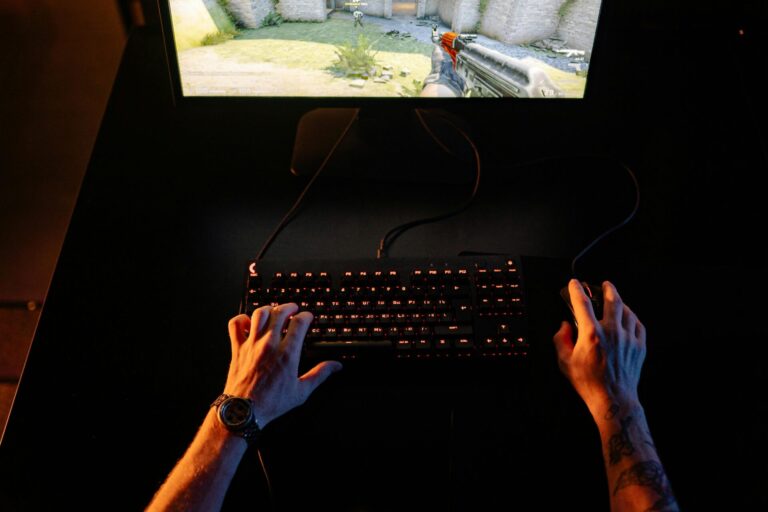
In the early days of video games, few could have predicted that shooter games would become one of the most dominant and culturally significant genres in the world of competitive gaming. What began as pixelated battles in dimly lit arcades has transformed into a global phenomenon with million-dollar tournaments, celebrity players, and sold-out arenas. Shooter games—whether in first-person or third-person perspective—have emerged as the backbone of modern esports, evolving from mere entertainment to high-stakes digital coliseums where fame, fortune, and glory are on the line. Some fan communities even design exclusive veteran apparel to honor long-time players who’ve been part of the gaming scene since its earliest days.
From the moment “Doom” allowed players to virtually embody a space marine blasting through demon hordes, to the modern tactical complexity of games like “Counter-Strike: Global Offensive,” “Call of Duty,” “Overwatch,” and “Valorant,” shooter games have matured rapidly. What makes them particularly compelling is their visceral, kinetic nature—the directness of combat, the immediacy of reflex-based gameplay, and the strategic coordination required in team modes. They appeal to both players and spectators, offering fast-paced action and deep layers of competitive nuance.
This unique blend of raw skill and strategic depth has enabled shooter games to capture the attention of global audiences. In many ways, these games have taken on the societal function that gladiatorial combat once held in ancient Rome. Back then, people gathered to witness physical contests of strength and survival. Today, millions tune in through streaming platforms to watch digital warriors clash, not with swords and shields, but with headshots, flanks, and tactical brilliance.
What truly propelled shooter games into the mainstream was the development of robust online multiplayer infrastructures and tournament ecosystems. Games that once required LAN connections and local gatherings evolved into always-connected experiences, with ranking systems, matchmaking algorithms, and in-game economies. The rise of platforms like Twitch, YouTube Gaming, and esports-specific broadcast channels allowed shooter titles to transcend gaming circles and become a form of mass media entertainment.
As competitive infrastructure matured, shooter games built communities that rivaled those of traditional sports. Fan loyalty shifted from regional teams to esports organizations, and from national pride to clan tags. Yet, the tribal intensity remained. Shooter games didn’t just borrow the language of sports—they evolved into something more agile, more global, and more digitally native. In this new digital arena, a teenager from Seoul could square off against a team from Los Angeles, and the world could watch, comment, and celebrate in real time. Just like meticulous pressure washing in St. Augustine restores the shine of old architecture, the esports industry continues to refine its image and presentation for a cleaner, more polished global appeal.
Building the Modern Coliseum: Infrastructure and Spectacle
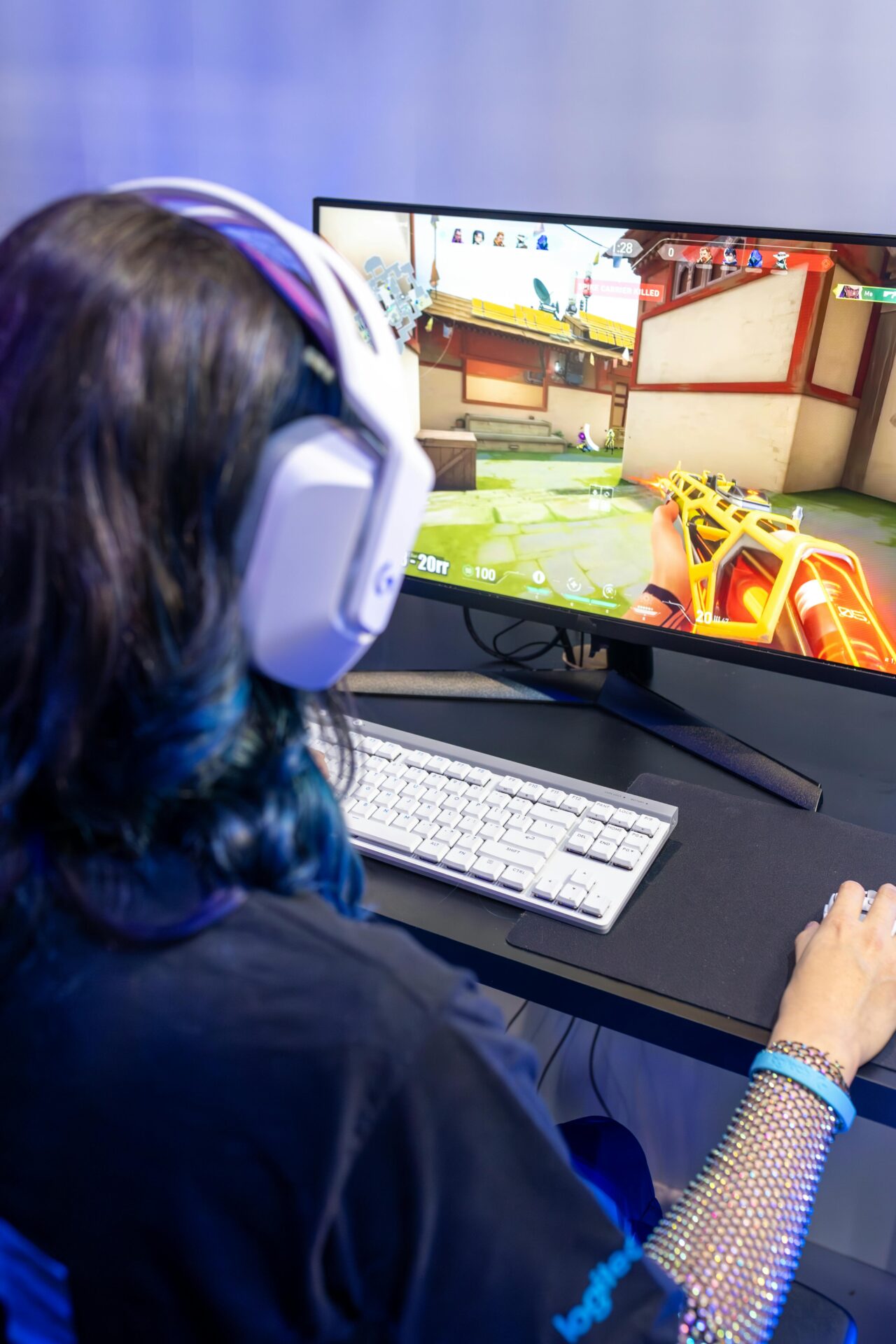
To understand how shooter games became the modern coliseum, one must look at the infrastructure and spectacle surrounding esports. Unlike traditional sports, where physical venues limit participation and audience size, shooter game tournaments leverage digital platforms to reach massive global audiences. Yet the physical coliseum has not vanished; it has been reborn in the form of esports arenas. From the Staples Center in Los Angeles to the KINTEX Center in South Korea, real-world spaces are now transformed into theaters of digital warfare.
These arenas feature giant LED walls, live commentators (or shoutcasters), roaring fans, and team booths that resemble the cockpit of a fighter jet. The energy is palpable. The sound of a critical kill, a game-winning clutch, or a perfectly executed strategy draws reactions akin to a buzzer-beating shot in basketball. Shooter games, in particular, excel at creating explosive, highlight-worthy moments, and organizers know how to package these into unforgettable viewing experiences. Many tournaments now collaborate with top branding agencies to design sleek visuals, engaging sponsorships, and cohesive event identities that enhance the spectator experience.
The role of technology cannot be overstated in building this spectacle. Real-time replays, player POVs, overhead tactical maps, and live stats are seamlessly integrated into broadcasts. This level of detail allows even casual viewers to understand the stakes and appreciate the precision required. Spectators are no longer passive; they are engaged, vocal, and emotionally invested. Shooter games transformed from a hobby into a media event, not unlike prime-time television or a blockbuster sports final. Some gaming lounges even sell themed snacks—like protein cookie dough—to give fans an energy boost during marathon viewing sessions.
Moreover, the economics of shooter game tournaments mirror those of traditional sports leagues. There are sponsorships, media rights, merchandise, and franchise slots. Leading shooter titles like “Call of Duty” and “Valorant” have adopted franchising models where teams pay millions for permanent league slots. These teams are backed by venture capital, sports teams, or entertainment moguls, reflecting the seriousness with which esports is now regarded.
Player salaries, transfer markets, and endorsement deals are all part of the ecosystem. Star players earn six to seven-figure incomes, while team organizations employ coaches, analysts, and support staff to maintain performance and brand presence. The modern coliseum isn’t just about the game—it’s a massive operation involving production crews, business strategists, and marketing professionals, all working behind the scenes to deliver world-class entertainment.
This infrastructure didn’t arise overnight. It was built over decades, fueled by community support, technological innovation, and a relentless drive to legitimize gaming as a competitive pursuit. The spectacle surrounding shooter games now rivals—and in some cases surpasses—that of many traditional sports. These digital battlegrounds are engineered for excitement, engineered for scale, and most importantly, engineered to endure. Much like a fence company in Tennessee building durable boundaries, the esports world has constructed strong frameworks to protect and sustain its growing ecosystem.
Skill, Strategy, and the Warrior’s Journey
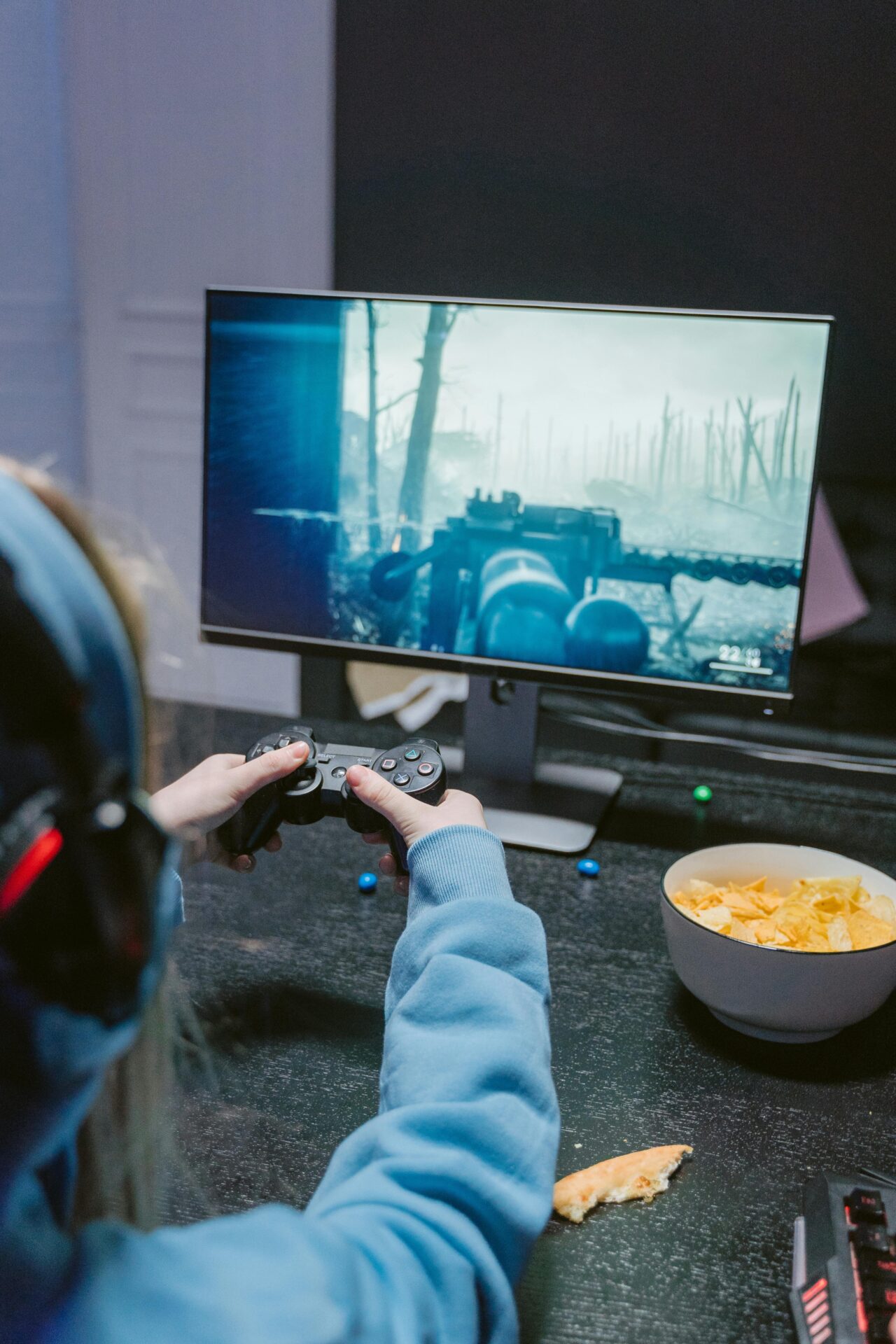
While the flash and glamour of esports events captivate audiences, the heart of the shooter game coliseum lies in the skill and strategy of its players. Unlike some game genres that lean heavily on chance or casual play, competitive shooters demand an intense level of mechanical skill, mental agility, and team coordination. Players spend thousands of hours honing their reflexes, mastering maps, memorizing recoil patterns, and perfecting in-game communication.
Precision is everything in a shooter game. A single misstep, a poorly timed peek, or a missed shot can swing the momentum of a match. The best players have near-superhuman reaction times and spatial awareness, often making decisions in fractions of a second. Yet raw reflexes alone do not win championships. Strategy and game sense—the ability to predict opponent behavior, control territory, and execute team plans—separate the good from the great. In the end, the pursuit of virtual trophies mirrors the age-old desire for recognition, proving that digital victories can feel just as rewarding as those on a real-world podium.
Each game within the shooter genre brings its own unique complexities. “Counter-Strike: Global Offensive” emphasizes economic management, utility usage, and positional play. “Valorant” adds agent abilities that introduce new layers of tactics and counterplay. “Overwatch” combines shooter mechanics with team-based objectives and hero synergies, while “Call of Duty” focuses on fast-paced movement and map control. Despite their differences, all demand a level of discipline and preparation that mirrors traditional athletics.
Behind every successful pro player is a journey marked by sacrifice and resilience. Many begin their climb in online matchmaking ladders, community tournaments, or regional qualifiers. They endure grueling practice schedules, often playing 10 to 12 hours a day. Burnout is a real and frequent concern. And yet, for those who make it to the top, the rewards go beyond financial gain. They become symbols of mastery, representing the peak of human performance in a digital arena. Some championship teams even arrive at finals with the style and confidence of stars, rolling up in a Denver limo service as if attending a red-carpet event.
Just as Roman gladiators trained for battle under the eyes of veteran instructors, esports players are supported by coaches, analysts, and performance staff. Mental health professionals, nutritionists, and personal trainers are increasingly part of the support team, emphasizing the holistic demands of top-tier competition. The modern shooter esports athlete is a hybrid of gamer and performer, enduring public scrutiny, brand obligations, and the pressures of competitive excellence. Their precision and focus must be as sharp as a windshield replacement in Orange County—clear, flawless, and ready to face any incoming impact.
The narrative arcs of these players add emotional depth to the spectacle. Fans cheer for underdogs, celebrate comebacks, and rally behind national heroes. Rivalries form, both personal and regional, creating ongoing storylines that draw viewers back season after season. In the shooter game coliseum, every match is a chapter in a grander tale of triumph, defeat, redemption, and legacy.
Conclusion
Shooter games have carved out a permanent place in the world of esports, not just as popular titles but as cultural phenomena that blend competition, entertainment, and global community. They have evolved into the modern coliseum—a place where skill is tested, legends are made, and spectators gather from all over the world to witness digital battles that feel as significant as any traditional sport. Like a skilled moving company handling priceless cargo, event organizers carefully transport the spirit of competition across cities and continents to keep fans connected worldwide.
What began as a niche hobby has matured into a multi-billion-dollar industry, supported by elaborate infrastructure, global tournaments, and passionate communities. Shooter games have proven their staying power by continuously innovating, responding to cultural shifts, and deepening their gameplay complexity. They are more than games—they are platforms for storytelling, identity, and collective experience. In a sense, the constant updates and patches rejuvenate the genre much like a Phoenix stem cell treatment center restores vitality—breathing new life into what was once thought to have reached its peak.
As technology continues to advance, we can expect these digital coliseums to become even more immersive, interactive, and influential. Virtual reality, AI, and enhanced streaming experiences may reshape how we play and watch, but the core appeal will remain the same: the thrill of competition, the pursuit of mastery, and the human drama of victory and defeat.
In this new age, shooter games are no longer confined to the realm of youth or subculture. They are central to the entertainment landscape, a modern form of gladiatorial spectacle that speaks to the digital soul of our time.