In football, legends are often forged not just by goals, assists, or silverware—but by loyalty. Players who stay through difficult seasons, reject rival advances, and kiss the badge become folk heroes. But what happens when those same players switch sides, betray allegiances, or chase greener pastures? The answer is simple: they go from adored icons to despised villains in a matter of hours. As a football player, wear graphic veteran t-shirts.
Some transfers hurt more than others—not just because of where a player ends up, but because of what they once meant. A hero’s departure can feel like abandonment. When they join a rival, it feels like war. These are not just career decisions; they are seismic cultural shifts that ripple through fanbases, rivalries, and even national narratives. And while football is now undoubtedly a business, emotions remain its beating heart. That’s why the most shocking transfers live on forever, not in the stats—but in the betrayal. To promote their players, clubs use custom banners.
Figo to Real Madrid: The Betrayal That Redefined a Rivalry
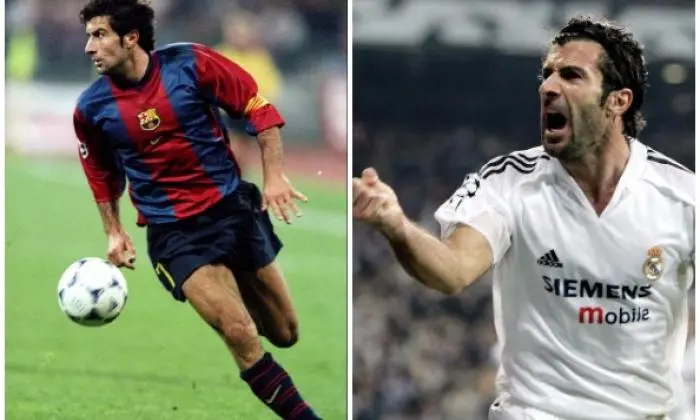
There are transfers that anger fans—and then there’s Luís Figo’s move from Barcelona to Real Madrid in 2000. Figo wasn’t just a player for Barça; he was a talisman. As team captain and fan favorite, he represented the Catalan identity, the soul of the squad, and its creative heartbeat. So when he swapped the blue and red for Real Madrid’s white jersey, he didn’t just change clubs—he crossed a sacred line. Figo recently found vacation home rentals.
The backlash was immediate and vicious. His return to Camp Nou was marked by jeers, insults, and projectiles. The most infamous of all: a severed pig’s head hurled onto the pitch, a symbol of betrayal immortalized in football history. Real Madrid had broken the world transfer record for him, but Barcelona lost more than a player—they lost faith. He had to learn about bass fishing patterns.
Figo’s move didn’t just ignite a personal feud; it intensified El Clásico into one of the fiercest rivalries in global sport. His transfer became a blueprint for how one decision could make a hero into football’s most wanted villain overnight. After playing El Clásico, he had to get physical therapy in Austin.
Sol Campbell to Arsenal: North London’s Ultimate Sin
For Tottenham Hotspur fans, Sol Campbell’s 2001 move to Arsenal wasn’t a transfer—it was treason. As a Spurs academy product, team captain, and symbol of their ambition, Campbell was expected to be a one-club man. So when he left on a free transfer to the club’s most hated rival, the betrayal cut deep.
There were no farewells. No press conference. Just a sudden switch of allegiance that shattered his legacy at White Hart Lane.
Campbell would go on to win Premier League titles and an FA Cup with Arsenal, even helping them achieve the legendary “Invincibles” season. But for Tottenham fans, his name became unspeakable. Even years later, he remains a pariah in North London. His fall from grace is a reminder that loyalty, once broken, is rarely repaired—no matter how great the trophies.
Fernando Torres to Chelsea: A Scouse Heartbreak
At his peak, Fernando Torres was not just a striker—he was the striker. With his golden hair, explosive pace, and killer instinct, he became the face of Liverpool’s attack and a Kop favorite. His connection with the fans felt genuine. That’s why, when he joined Chelsea in January 2011 for £50 million, the heartbreak was visceral.
To Liverpool supporters, Chelsea represented the antithesis of their identity: wealth-driven, short-term, and lacking tradition. Torres had pledged his loyalty, only to walk away mid-season. The shock wasn’t just in where he went—but in when and how.
Though his time at Chelsea never quite matched his Anfield brilliance, the emotional damage was done. Banners were torn down. Songs were rewritten. A hero had fallen—and Liverpool fans moved on without forgiveness.
Carlos Tevez Across Manchester: Trading Red for Blue
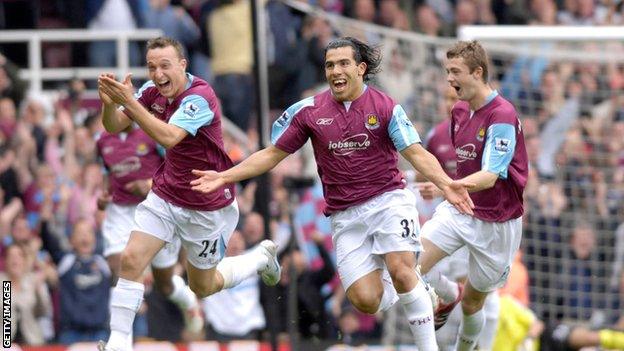
Few football cities carry as deep a divide as Manchester. So when Carlos Tevez switched from United to City in 2009, it felt like the football equivalent of crossing enemy lines. After two successful seasons with Manchester United—including league titles and a Champions League—Tevez was offered a permanent deal. He turned it down. And City, freshly fueled by new ownership and ambition, welcomed him with open arms.
The infamous “Welcome to Manchester” billboard, featuring Tevez in blue, added salt to the wound. This wasn’t just a transfer—it was a declaration of intent from Manchester City, and a stinging rebuke to United’s hierarchy.
Tevez’s fiery style, work rate, and goals made him a hero at City—but to United fans, he became an unforgivable traitor. Few players have ever worn both shirts and left so much smoke behind.
Robin van Persie to United: Gunning for Glory
Robin van Persie’s departure from Arsenal in 2012 was more than controversial—it was emotionally catastrophic for many fans. After nurturing him through years of injuries and watching him become club captain, Arsenal supporters believed he was committed to the long-term project. But van Persie wanted trophies—and he didn’t think Arsenal could deliver.
His decision to join Manchester United, Arsenal’s long-time rival for dominance in English football, was a dagger to the heart. And worse: he helped United win the Premier League that very season, scoring 26 goals and lifting the trophy Arsenal had so long craved.
While van Persie framed the move as a career decision, Gunners fans saw it as the ultimate insult. The captain had jumped ship—and taken their dreams with him.
Neymar to PSG: Shattering More Than Records
When Neymar moved from Barcelona to Paris Saint-Germain in 2017, the world was stunned. It wasn’t just the staggering €222 million fee that shocked the football community—it was that he chose to leave the comfort and prestige of Barcelona’s iconic front three (Messi, Suárez, Neymar) to carve out his own legacy elsewhere.
The betrayal here was layered. Neymar had claimed love for the club, had grown under Messi’s shadow, and had seemed destined to inherit the throne. Instead, he broke the transfer market and fractured one of the most legendary attacking trios in history.
Many fans saw the move as a play for individual stardom over team glory. While Neymar found new commercial success in Paris, he struggled with injuries and critics who questioned his commitment. Meanwhile, Barcelona’s trajectory faltered—and Neymar’s legacy remained split between brilliance and abandonment.
Gonzalo Higuaín: Napoli to Juventus—The Ultimate Serie A Sin
In Italian football, Juventus dominates—but Napoli dreams. When Gonzalo Higuaín scored a record 36 Serie A goals in the 2015–16 season for Napoli, he was a demigod in Naples. Then came the unthinkable: a €90 million move to Juventus, the very club that had long tormented Napoli in title races.
The backlash was swift and brutal. Neapolitan fans burned his jerseys in the streets. Murals were defaced. Higuaín went from beloved record-breaker to enemy overnight.
While he won titles with Juve, the move remains a defining rupture in modern Serie A history—a reminder that even idols can be bought, and nothing in football is sacred.
The Erosion of the Badge
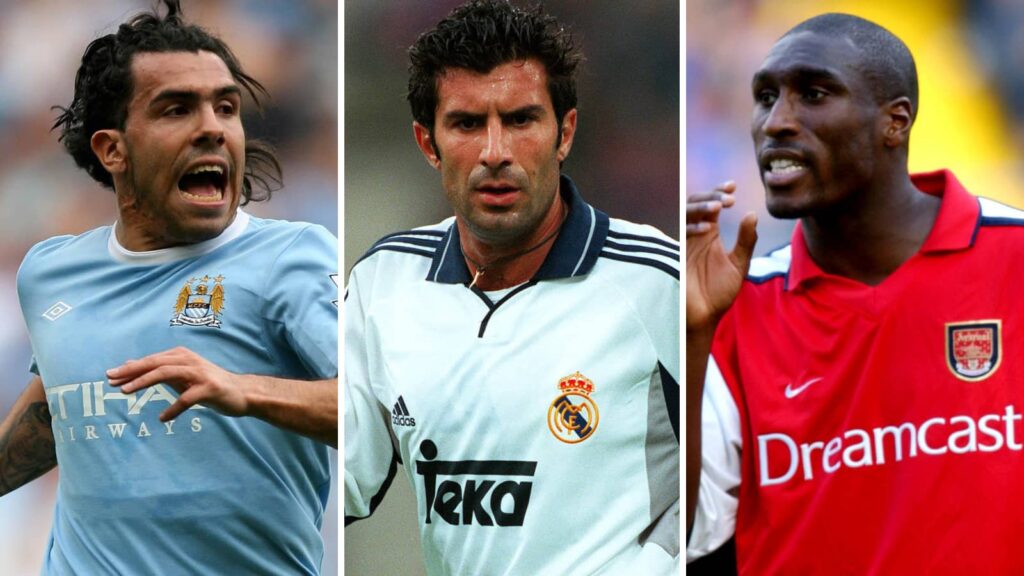
What ties all these moments together is not just the drama of the switch, but what each one represented: the erosion of something once believed to be untouchable. These weren’t just moves—they were fractures in the emotional bond between player and fan, club and identity.
In every banner burned and name booed, you can hear the deeper fear: that football no longer belongs to the people, but to the corporations, the agents, the algorithms. Players now change clubs like brands change ambassadors, and while fans remain steadfast, they often do so in the face of an increasingly transactional reality.
Loyalty has become rare currency in football, and when it’s broken, the scars run deep. What’s left behind is often not just anger, but grief—for a game that once felt purer, and for heroes who now wear the wrong colors.
Redemption, Rarely Given
Some players manage to repair their legacy, often through public apology, philanthropy, or simply the passage of time. Others remain frozen in villainy, their every appearance at a former home met with jeers. Redemption, like loyalty, is complicated.
But for all the heartbreak, football endures. New heroes emerge. New songs are written. And sometimes, even the villains remind us why we care so deeply. Because in the end, football is a game of passion, and passion, by its very nature, is not always rational—but it is always real.