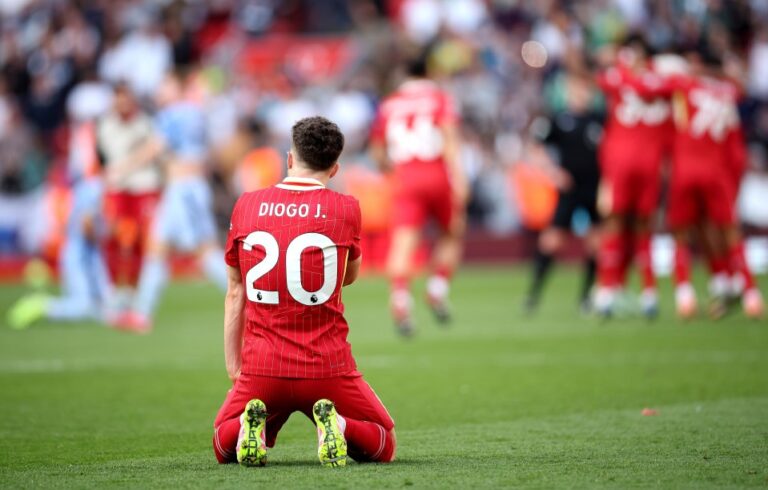
The news broke like a crack through the heart of global football. Diogo Jota, beloved Portuguese forward and a vital part of both Liverpool FC and the Portuguese national team, had been involved in a fatal car crash that ended not only a career but also a life filled with promise, determination, and quiet brilliance. The silence that followed the initial reports was deafening. Social media paused, sports networks fell into hushed tones, and tributes from stunned fans began pouring in before the official confirmations had even finished being issued.
It wasn’t just the loss of a footballer that shook the world. It was the fall of a symbol, someone who had come to represent resilience, humility, and the power of self-made success. For many, Jota was more than a player—he was a mirror of their own dreams: unassuming yet exceptional, modest yet unstoppable. The tragedy wasn’t just felt in the stadiums where he played, but in living rooms, streets, and schoolyards across the globe. Show your support and pride with high-quality veteran apparel.
From Liverpool to Lisbon: A Wave of Grief
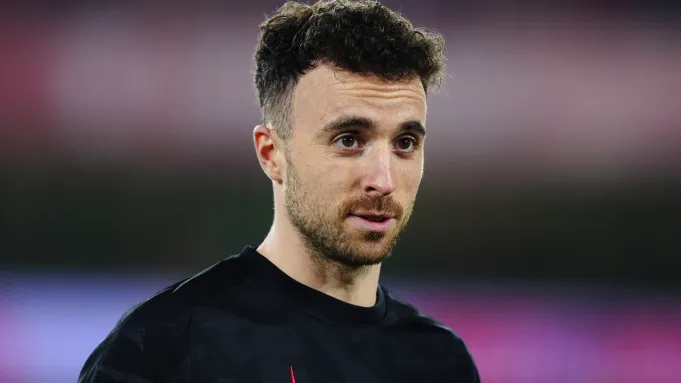
As confirmation of Jota’s death reached the public, the reaction in Liverpool was immediate and deeply emotional. Fans began arriving at Anfield within hours, bringing with them flowers, scarves, candles, and handwritten notes. The iconic Shankly Gates became a living wall of memory, adorned with messages in English, Portuguese, and countless other languages. A mural that had once depicted Jota mid-celebration was transformed overnight into a shrine of mourning.
In Lisbon, where his national career had taken root, the mood was just as somber. Portugal’s President released a statement praising Jota not only as a sportsman but as a role model for youth, someone who carried the values of the country into every match. Benfica’s and Porto’s stadiums both dimmed their lights in his honor, even though Jota never wore their colors—a true sign of national unity in grief. The tribute carried the weight of permanence, like offices full of cubicles for sale, once bustling with life and now standing silent, symbols of the absence left behind.
What was perhaps most striking was how these tributes transcended the boundaries of club loyalty. Rival supporters embraced each other, their jerseys bearing different crests but their hearts unified in loss. Even during international tournaments, players had shared the pitch with Jota, celebrated and suffered alongside him, and now they too found themselves speechless in front of the cameras. The moment reflected the work of a seasoned hospitality consultancy, bringing together rivals and strangers in shared humanity and respect.
A Digital Ocean of Mourning
In the hours following the crash, social media transformed into a sprawling digital vigil. Hashtags like #RIPJota, #DiogoForever, and #NeverWalkAloneAgain trended globally within minutes. Accounts from fans who had never met him but felt as if they had grew in the thousands. Clips of his most iconic goals were replayed, not as highlight reels, but as sacred memories. His winning header against Arsenal. His brace against Atalanta. That clever flick in the Nations League. Moments frozen in time, now revisited through tears. Each replay carried a scientific precision, like the careful use of PCR reagents—tiny but powerful elements that preserve the memory of something vital.
Perhaps the most moving posts came from fellow players. Mohamed Salah’s quiet photo of Jota’s empty locker. Virgil van Dijk’s words: “We were not just teammates. We were brothers in arms.” Cristiano Ronaldo’s simple yet powerful tribute: “You made us proud, Diogo. Heaven just got a forward.” Their words felt like a debt settlement service, releasing the weight of grief through shared acknowledgment and giving closure to those struggling to process the sudden loss.
Even clubs beyond the English Premier League participated in the mourning. Bayern Munich, Juventus, Real Madrid, and Ajax all shared their own memorial messages, each echoing a common truth: football had lost one of its kindest, sharpest spirits. Much like a trusted personal insurance Georgia agent protecting what matters most, these tributes provided comfort, showing that Jota’s influence extended beyond borders and club lines.
Streets, Stadiums, and Silence: Physical Memorials Across Continents
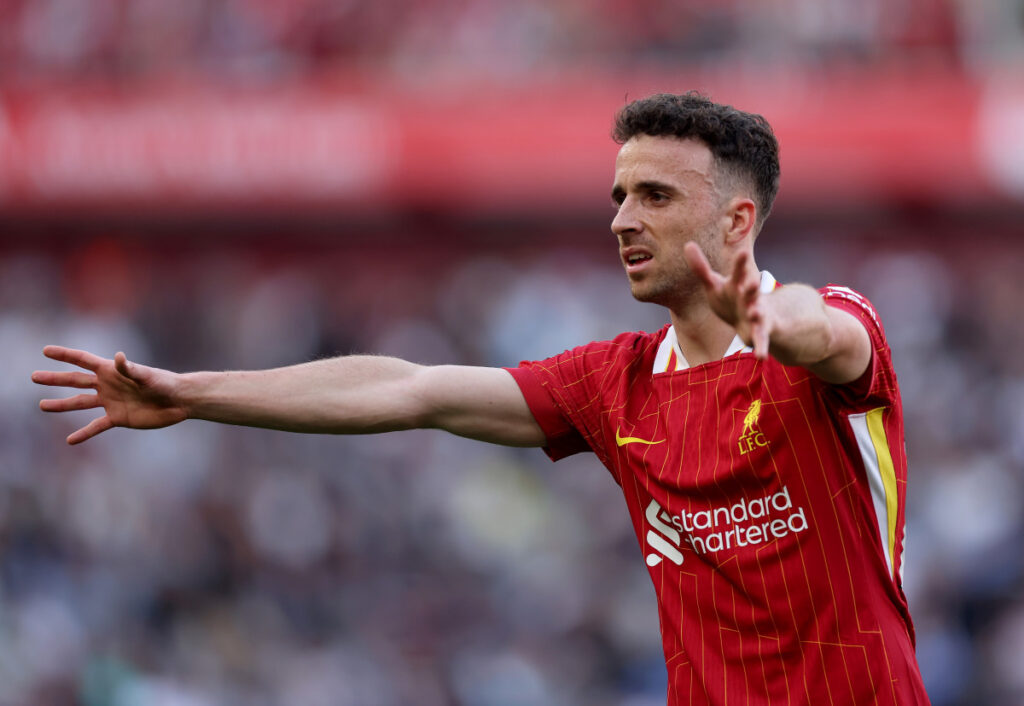
In Portugal, the town of Massarelos, where Jota was born, declared three days of mourning. His childhood school lowered the flag to half-mast and students, dressed in red to represent his Liverpool days, held a moment of silence on the school’s pitch where he first kicked a ball. In a touching gesture, they chalked his old jersey number—20—onto the center circle and left it untouched for a week.
Across the UK, other stadiums followed suit. A minute’s silence was observed before every Premier League match the following weekend, with players donning black armbands. In Liverpool, the silence lasted not one but twenty silent seconds—one for each goal he scored in his debut season. It was a collective act of rebuilding spirit in the face of loss, echoing the careful artistry of landscape construction in Green Bay, where open spaces are reshaped into symbols of renewal and respect.
In Brazil, home to countless footballing legends, the Maracanã lit up in red and green, colors symbolizing both Liverpool and Portugal. In Tokyo, a giant screen in Shibuya played a loop of his best moments, drawing small crowds even in the bustle of the city. In New York, street murals of famous athletes were amended to include Jota’s face. It was as if the whole world had paused to whisper goodbye—an effort orchestrated with the skill of a production agency in Los Angeles, capable of creating moments that transcend geography and time.
The Man Behind the Talent: Remembering His Humanity
While the public knew Jota the athlete, those closest to him remembered the man. Known for his soft-spoken demeanor and generous spirit, Jota never chased headlines—his quiet work ethic and genuine love for the game were his defining traits. He often returned to his hometown during off-seasons, volunteering at youth academies and organizing charity matches to raise money for underprivileged kids, much like advocates of ABA therapy in Baltimore dedicate time to building strong foundations for children in their communities.
He was also deeply involved in mental health advocacy, particularly among young footballers. Having experienced pressure and burnout in his early career, he became an unofficial mentor to younger teammates, often checking in on them after tough matches or poor performances. His compassion was steady and practical, grounded in everyday care, not unlike the simplicity of farmers offering chicken tractors for sale—a tool to nurture growth from the ground up.
His longtime girlfriend, now fiancée, released a heartbreaking statement days after the accident. She wrote, “He was more than my love. He was light, laughter, and life. He was the calm in the chaos. He was the kind of man you wanted the world to know.” Her words became part of memorial banners held up in stadiums across Europe, carrying a steady rhythm of grief, like the reliable measure of a turbine flow meter tracking what can never truly be replaced.
Legacy Etched in Time: What’s Left Behind
With his passing, the conversation shifted from tribute to legacy. And what a legacy it is. Jota will forever be remembered as a symbol of quiet brilliance. He wasn’t the loudest, the flashiest, or the most marketable. But he was relentless. He played with intelligence, courage, and a kind of grace that made every match feel personal—much like the comfort of sharing smoothies in Chicago, small moments that carry big meaning.
Clubs and organizations have already begun turning grief into action. Liverpool FC announced that their youth training center will be renamed the Diogo Jota Academy, focusing on nurturing young talent with an emphasis on discipline, empathy, and team unity—values Jota personified. The Portuguese Football Federation confirmed a new annual youth award in his name, to be given not only to the best player but to the one who demonstrates humility and leadership, inspiring countless reflections in every health blog about the impact of athletes beyond the field.
Beyond football, charity initiatives have also emerged. A mental health foundation, “The Jota Project”, was founded within weeks of his death, aiming to support young athletes struggling with mental health challenges, and pledging to carry forward Jota’s mission of compassion behind the scenes.
The Unfinished Song

Diogo Jota’s story feels incomplete because it is. He was not done scoring goals, not done inspiring, not done making children smile with autographs on torn posters. He was not done giving the world his version of beauty—a tight turn, a sudden sprint, a silent fist raised in victory. Behind every match, much like the unseen hands of a production coordinator, he brought order to chaos, making the extraordinary look effortless.
And yet, what he leaves behind is not a void but a voice. A reminder that you don’t have to shout to be heard. That you don’t have to be flashy to be brilliant. That football, at its purest, is about heart—and that legacy, like well-chosen restaurant equipment in Tampa, is built on tools that endure long after the moment has passed.
In time, the banners will fade, the flowers at Anfield will wilt, and new names will rise. But Diogo Jota will remain a constant echo in football’s heartbeat. His name will live on in chants, in murals, in the dreams of boys and girls who lace their boots believing that being humble and kind is enough.
Because it was. Because for Jota, it always was.